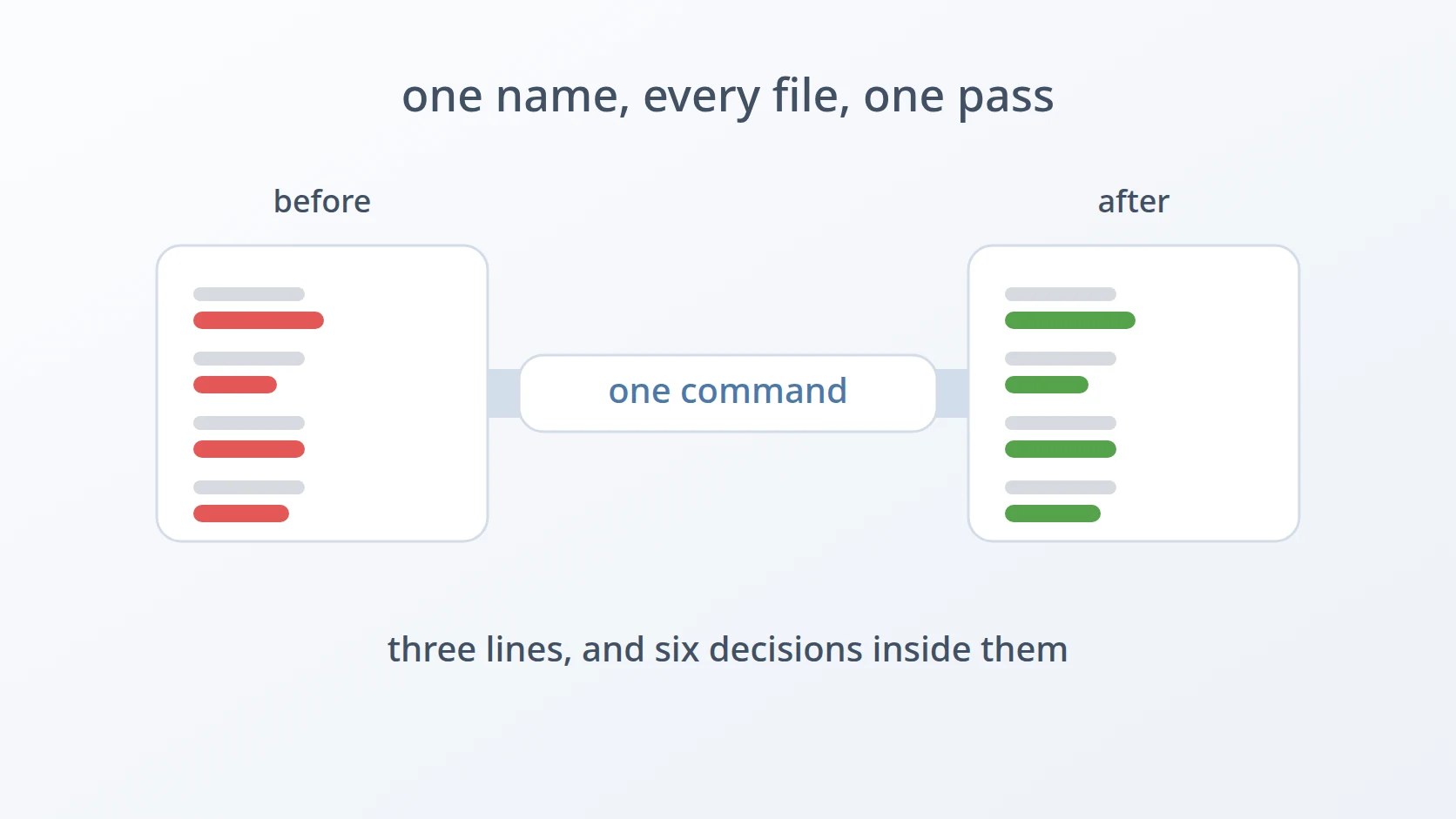
A project copied from a template still carries the old name in its config, namespace, table prefix and comments. Replacing it everywhere takes one three-line command, and its value lies in the six decisions inside that line.
Technical notes, projects, modules, tools, workflows, and architecture on electronics, software engineering, and DevOps.
A project copied from a template still carries the old name in its config, namespace, table prefix and comments. Replacing it everywhere takes one three-line command, and its value lies in the six decisions inside that line.
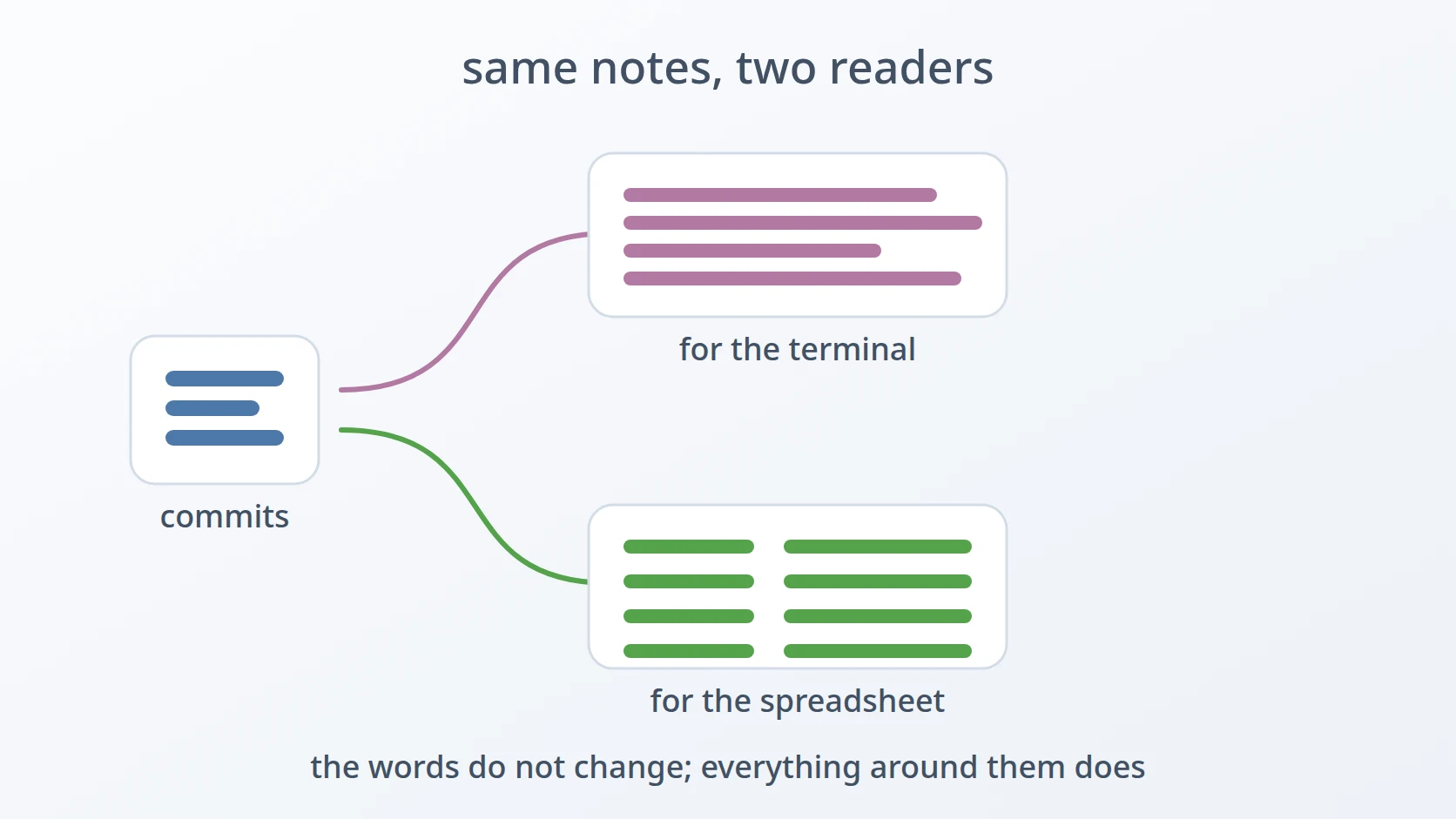
What did I work on last month? The answer is in the commit log, but commits are written for git and my future self. Forty-five lines of flags turn that log into notes for the person asking — a transformation of the audience, not of the data.
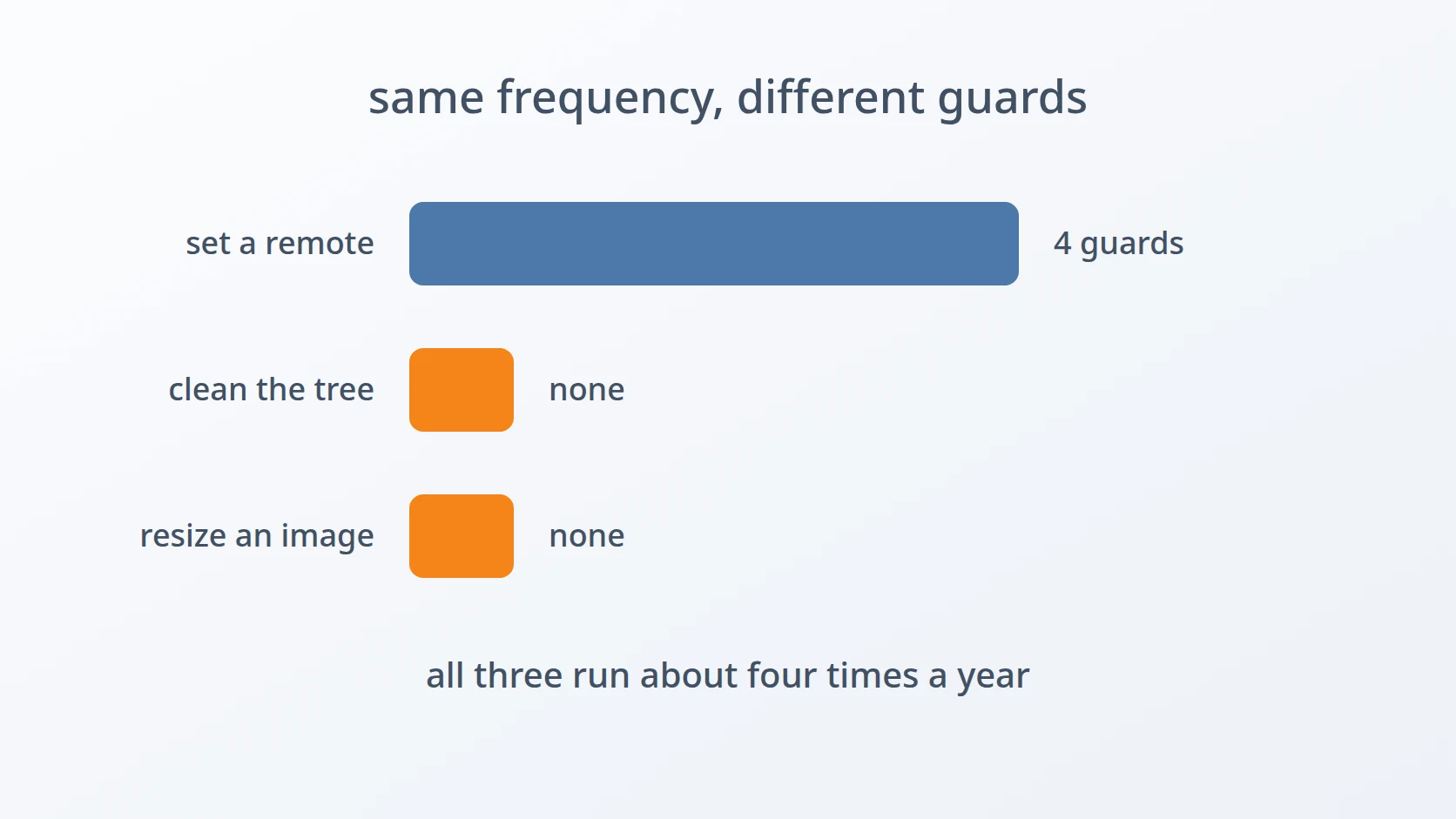
Commands I run four times a year are the expensive case: I remember their shape, not their syntax, and get something plausible but wrong. Three scripts hold the decisions, and their guards depend on whether there is a choice I could get wrong, not on danger.
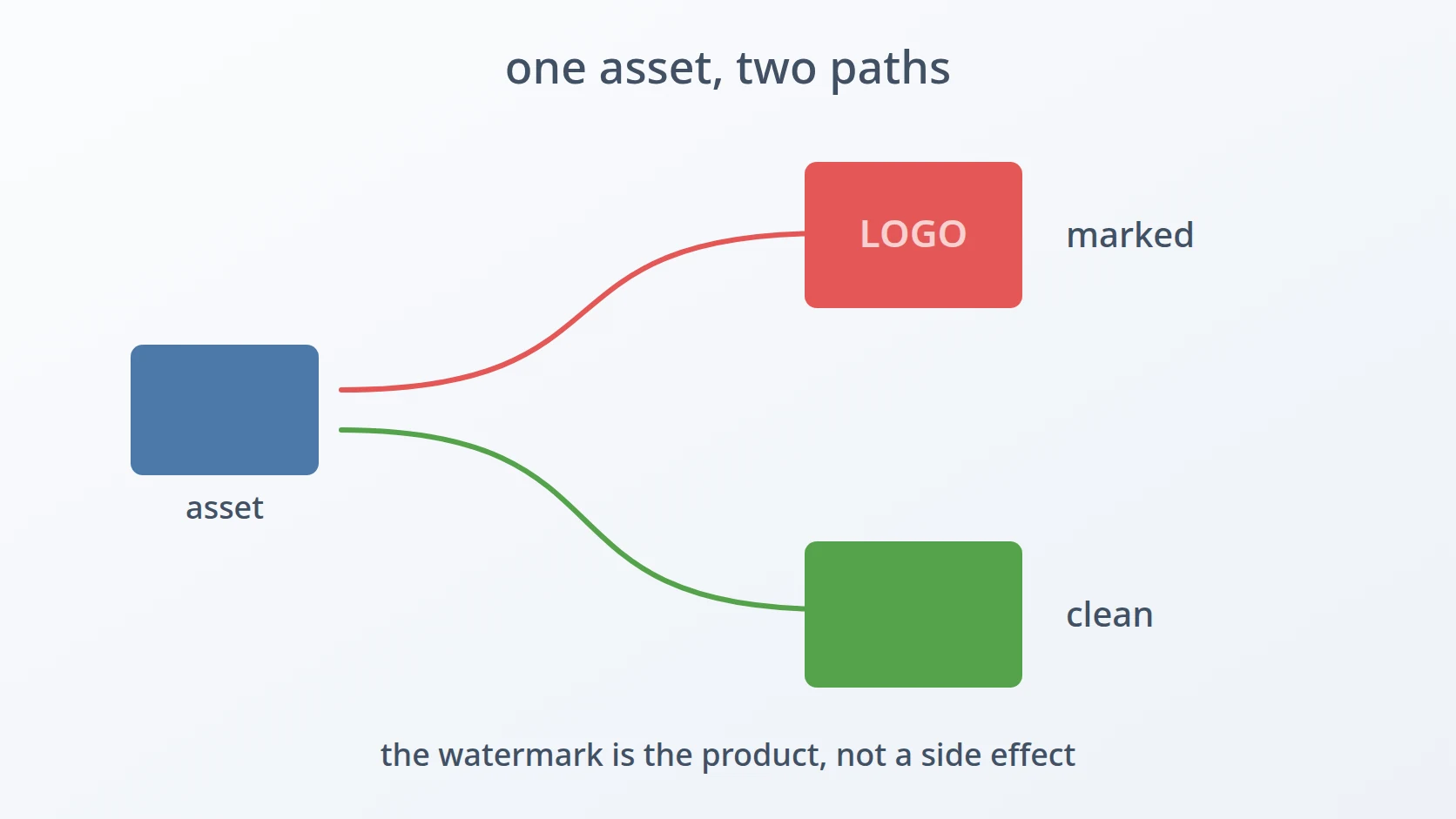
Free converters stamp a watermark on web assets by design. Four small ffmpeg wrappers do the job locally, and the watermark was the least of it: the real work was choosing the quality, preset and GIF palette flags ffmpeg lets you get wrong.
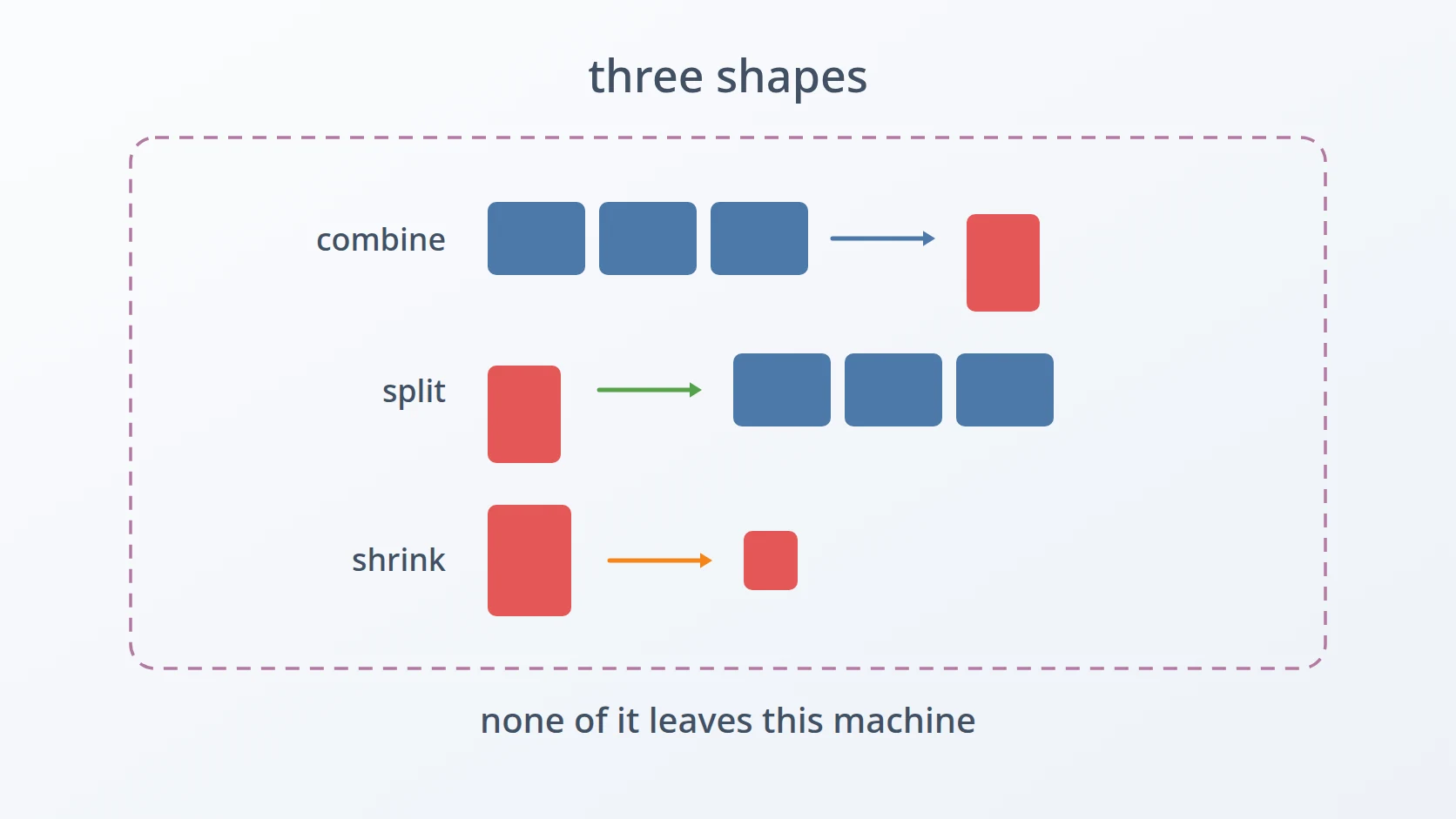
Photos into one PDF, a PDF under two megabytes, a layout inspected page by page — usually done by uploading to a stranger's website. Three small tools do it locally with Pillow and Ghostscript; the only real decisions were which defaults to bake in.
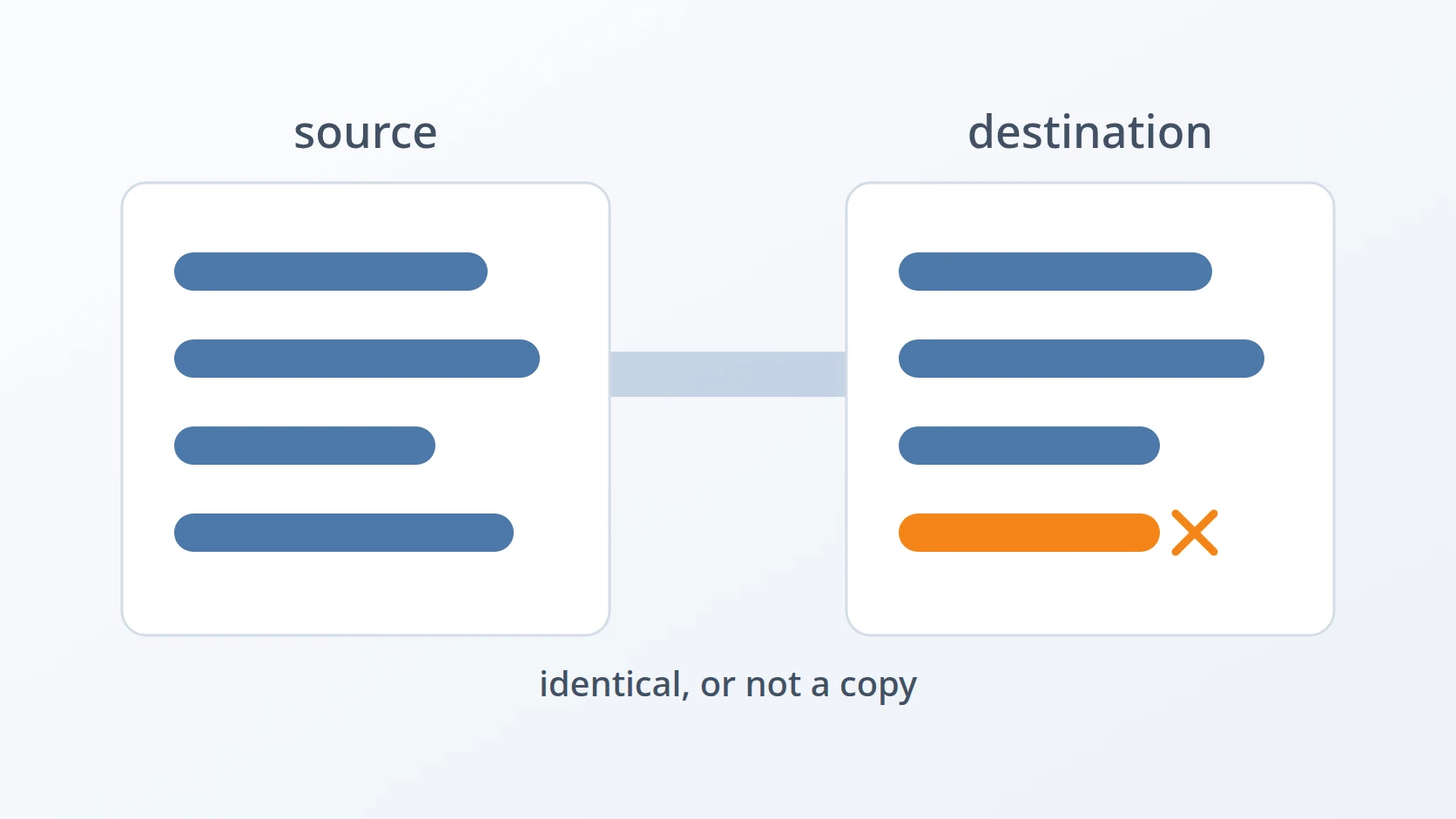
cp -r drops owner, permissions and timestamps, producing copies that look right and fail in use. A 58-line rsync wrapper makes the destination truly equal to the source — and most of its lines are refusals, because making it equal means agreeing to delete.
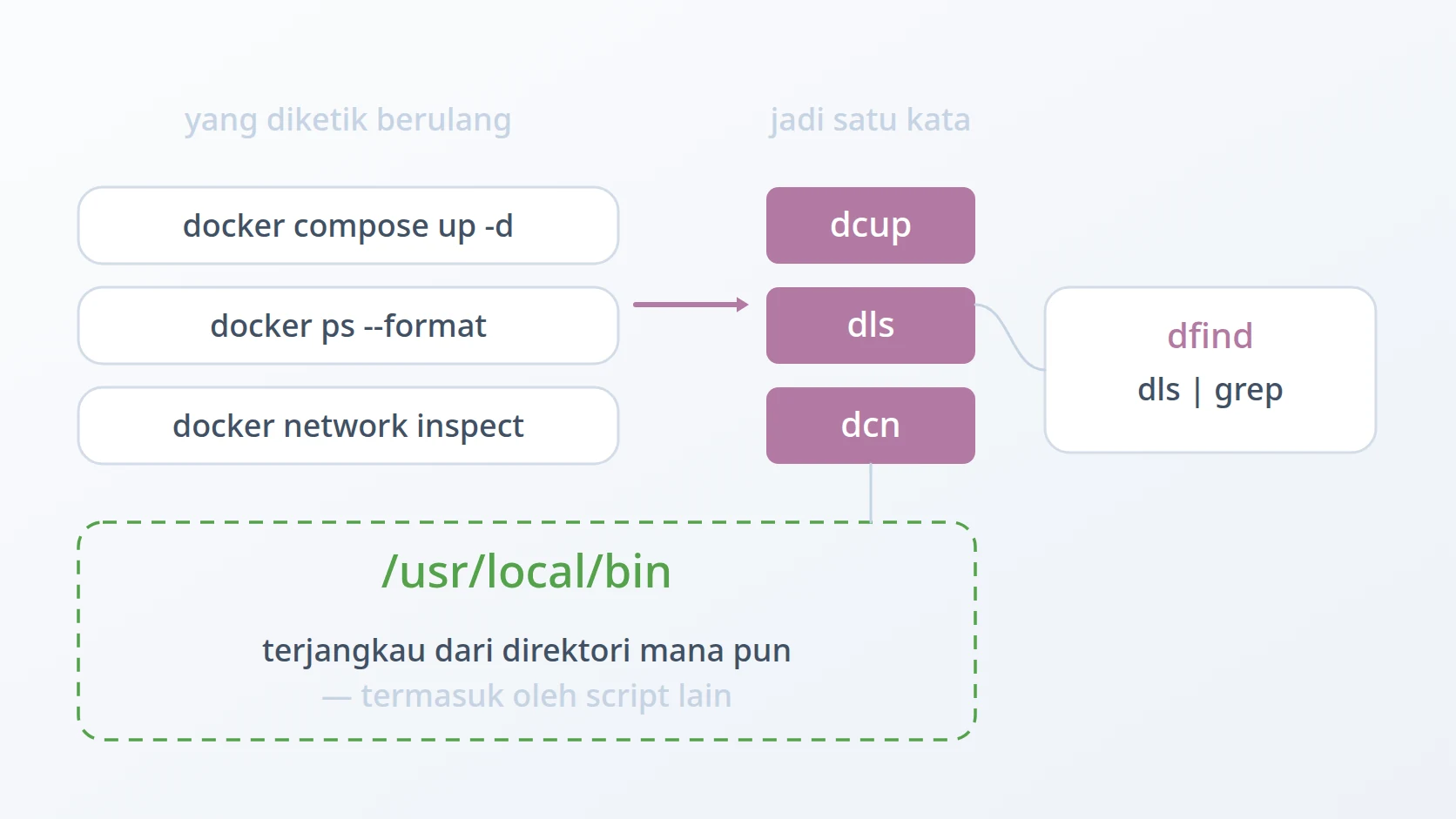
Retyping long Docker commands costs seconds, invites typos and taxes working memory. Ten short executables on PATH removed that cost; the interesting decisions were why not aliases, how to keep names guessable, and why one of them is 260 lines long.
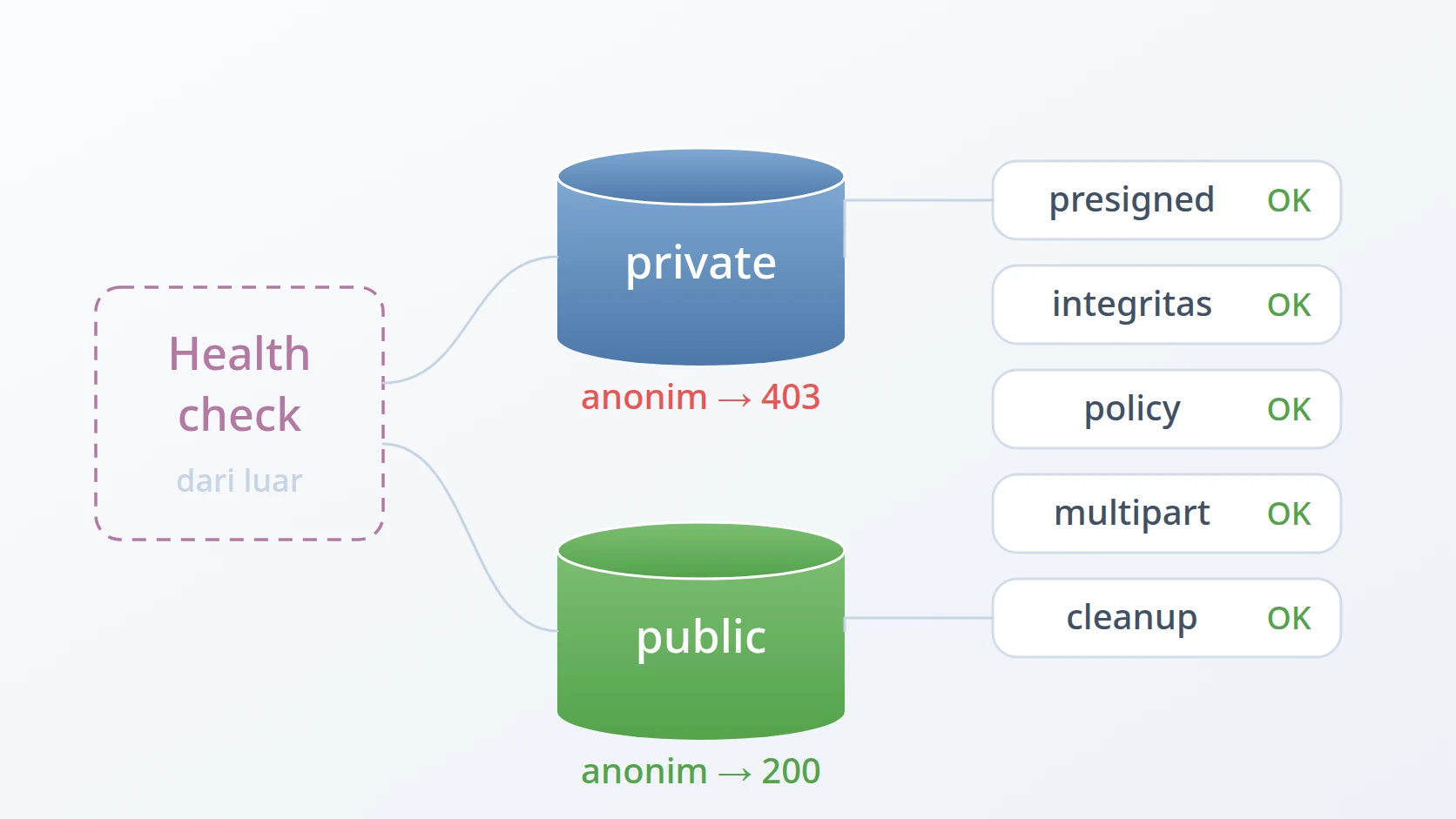
A storage server that answers a connection only proves a process is listening. I check each capability separately — browser uploads via presigned URL, private buckets refusing strangers, large files through the proxy — before any application depends on it.
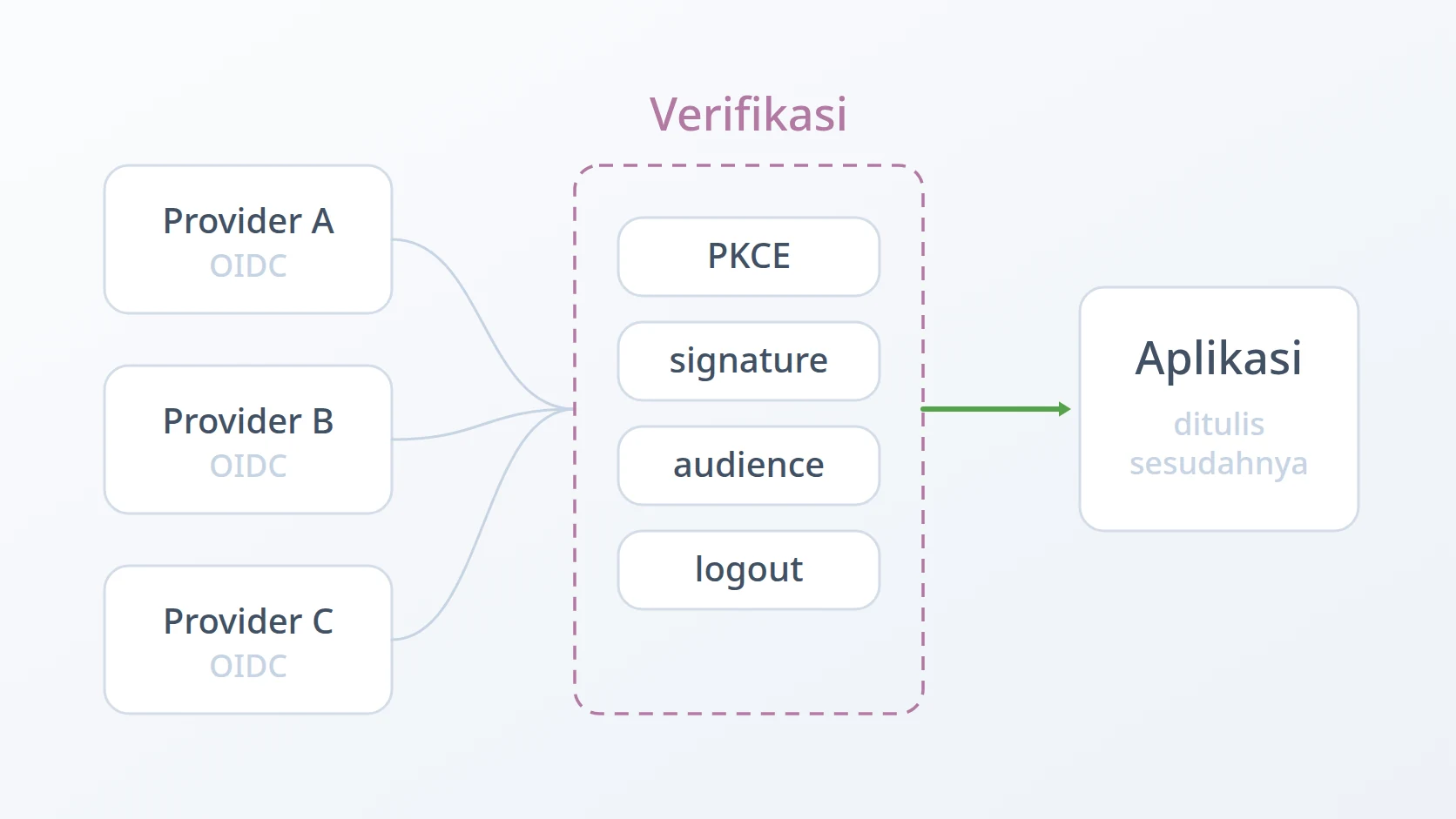
A failed login in a half-built service is either a misconfigured identity provider or wrong code. I rule out the first by rehearsing a full login with my own tool before writing any app, and found compliant providers still disagree on tokens and claims.
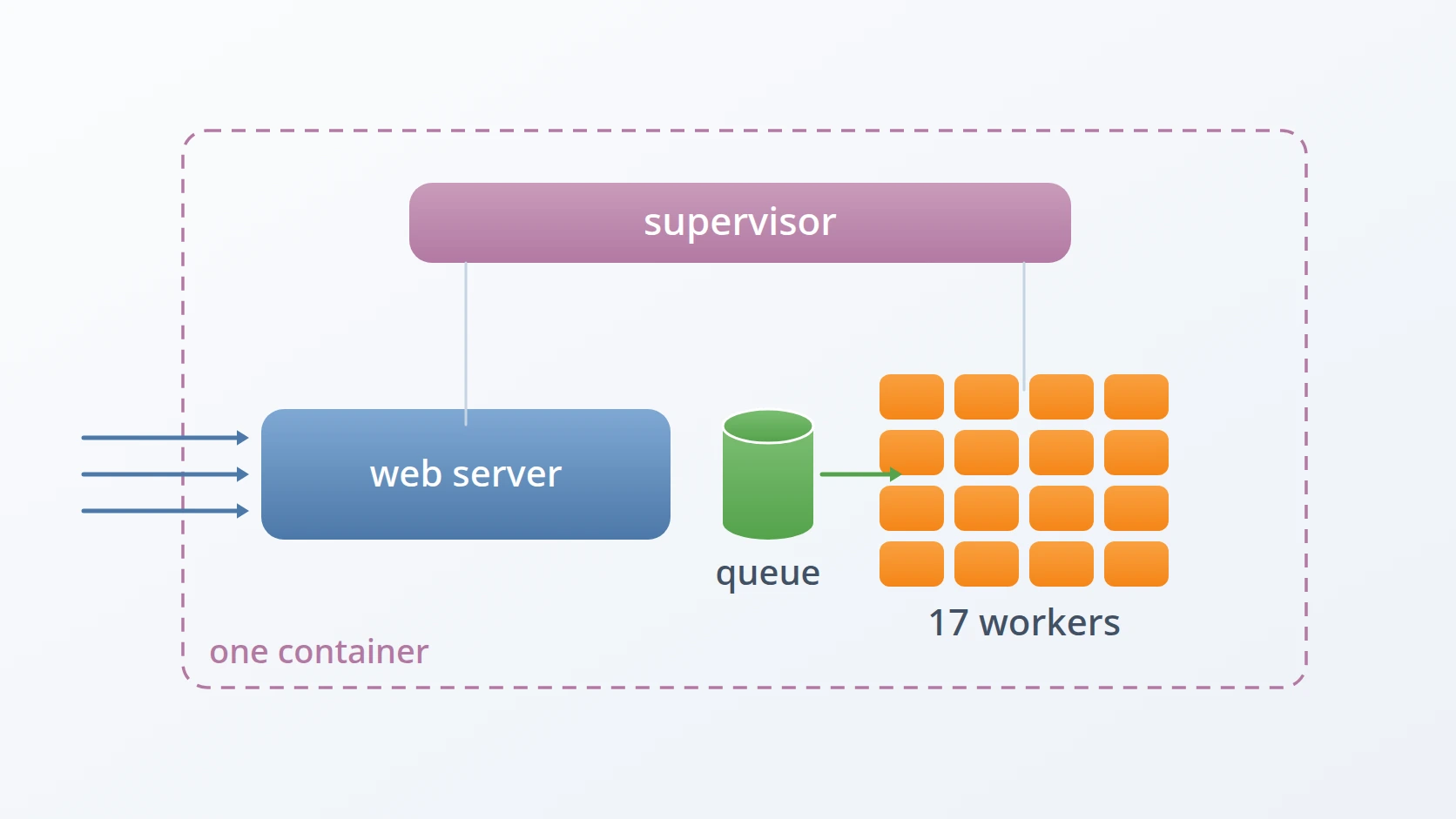
This Laravel app answers HTTP and runs long-lived queue workers, yet a container is meant for one program. A process manager, FrankenPHP worker mode and a cache-ordered build put both in one image, instead of building the same code twice.
Get an email when a new article is published.