Skip to content
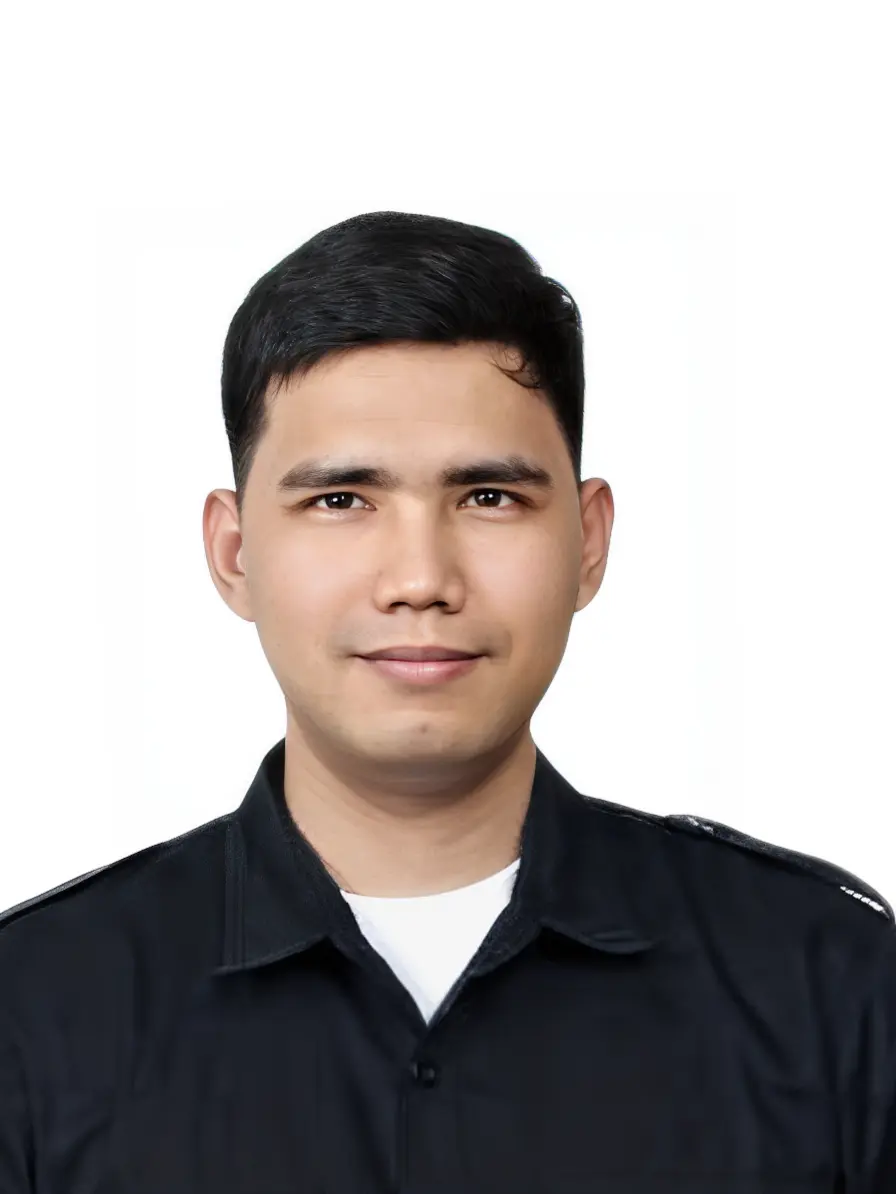
Photo of Romi Fadli

Romi Fadli, S.Kom.

Solution Architect · Backend Engineer · Embedded Systems

I design systems as a solution architect and lead the teams that build them, while still writing the core myself — from RISC-V firmware and PCB design to Rust backends, PKI and certificate authorities, and the Linux infrastructure that runs them.

Location:
Indonesia

What I Work On

Areas I write about most, by number of articles.

Skills

Counted from the articles and papers that use each technology.

All 77 skills →

Selected Work

Projects, modules, tools, and architectures I have built.

PoE32 Lite

PoE32 Lite

Electronics & Microcontrollers

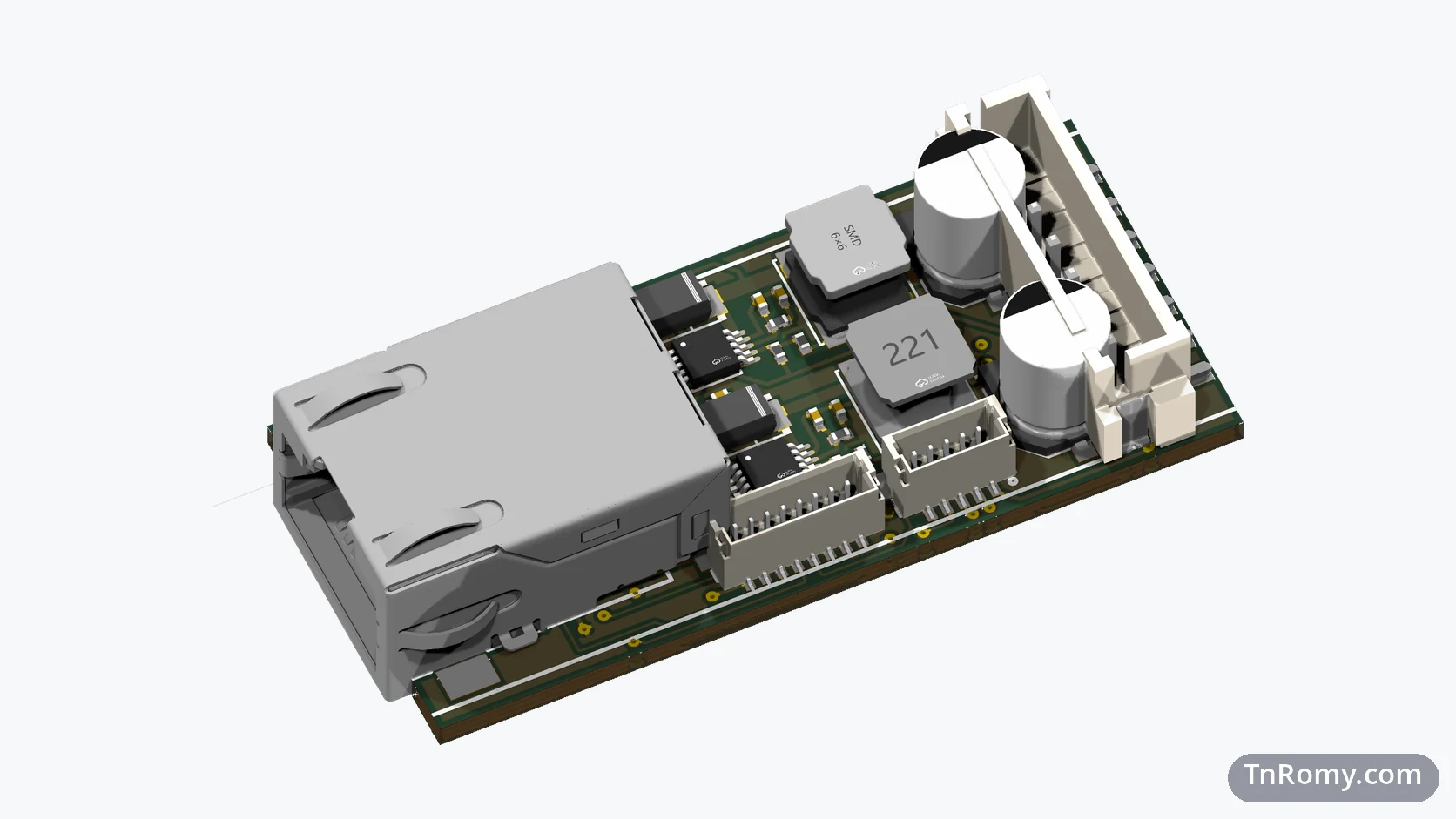
PoE32 Lite v3 is a small RISC-V board that takes its data and its power from one Ethernet cable, now with the whole PoE power path on the board. It failed out of the box: why, how it runs with jumper wires, and where v4 goes.

12 min read Read more →
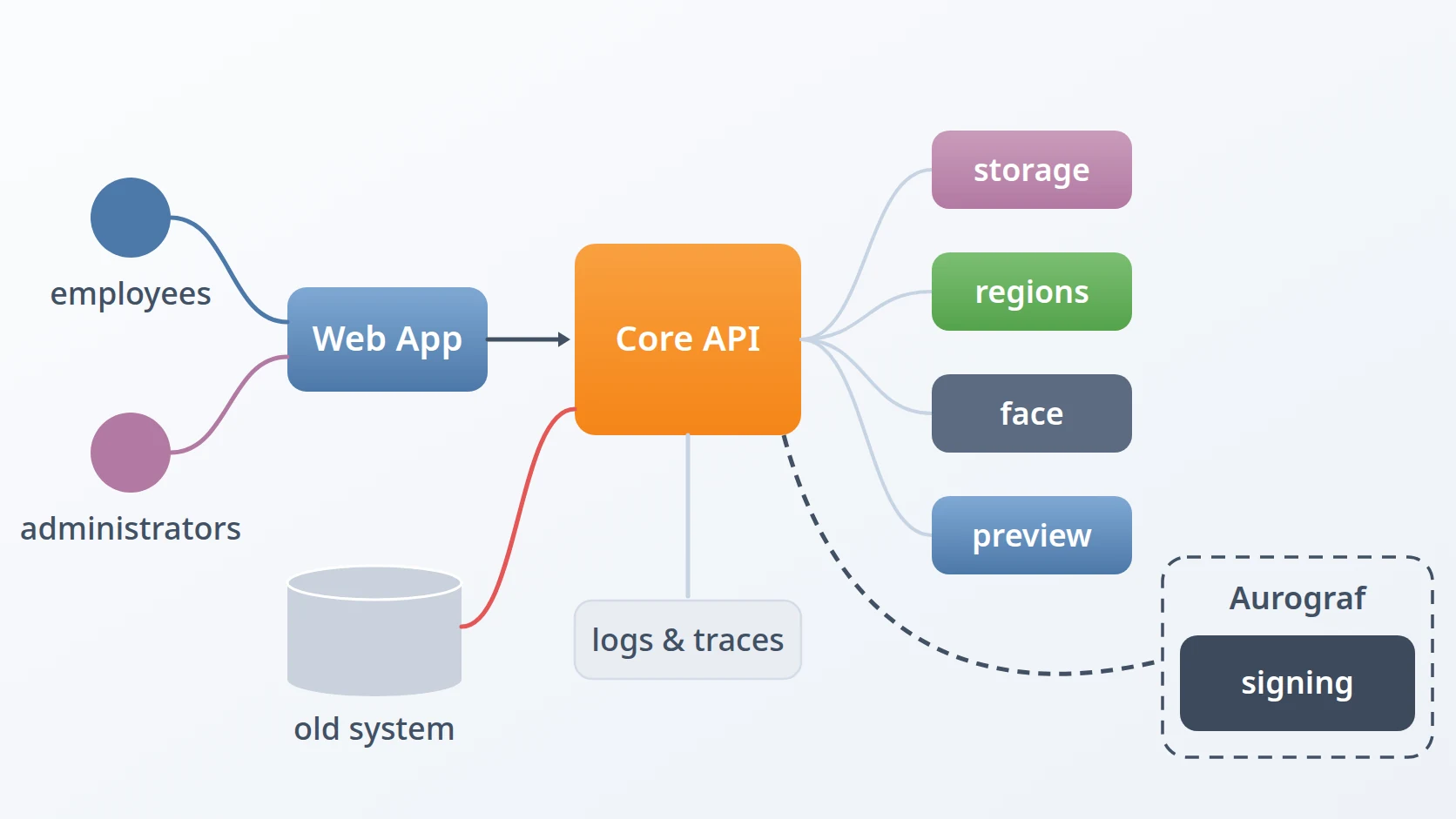
Employees and administrators use the Web App, which talks to the Core API; the Core API uses storage, regions, face and preview services, sends documents to the Aurograf signing platform, sends logs and traces to the log stack, and imports from the old system

SIMPEG

Programming

The personnel information system of the City Government of South Tangerang: employees keep their own records and follow their services, administrators work on exactly their part of the organisation, and every rule comes from the regulation that sets it. Led and built by me since 2023.

10 min read Read more →
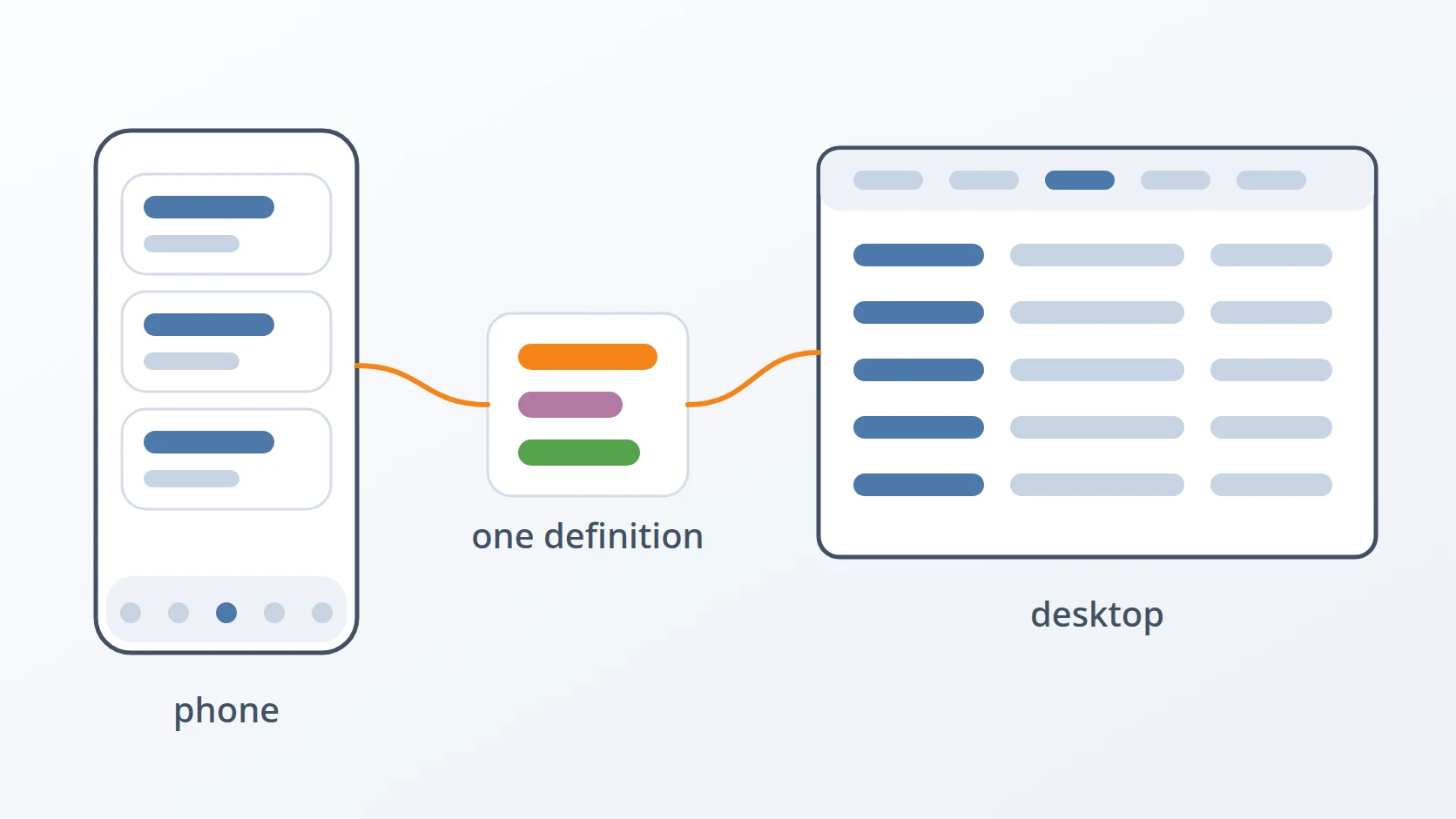
One definition in the middle feeds both a phone layout with stacked cards and a bottom bar, and a desktop layout with a top menu and a table

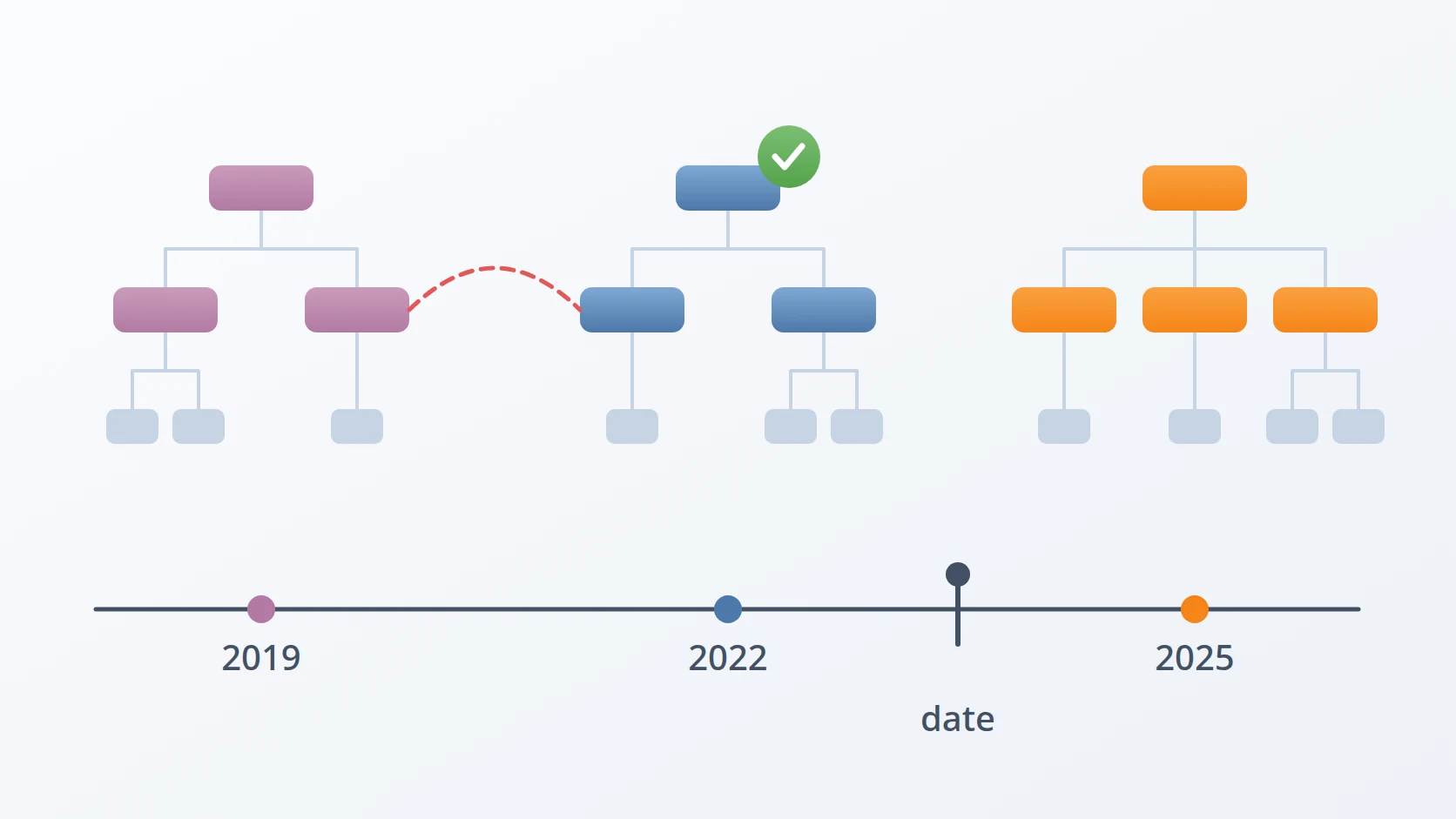
The Vue browser application of a civil-service personnel system: a self-service portal where employees keep their records and propose changes, and administration of a versioned organisation chart, reference data and accounts — built from a few shared definitions, not a page per record.

9 min read Read more →
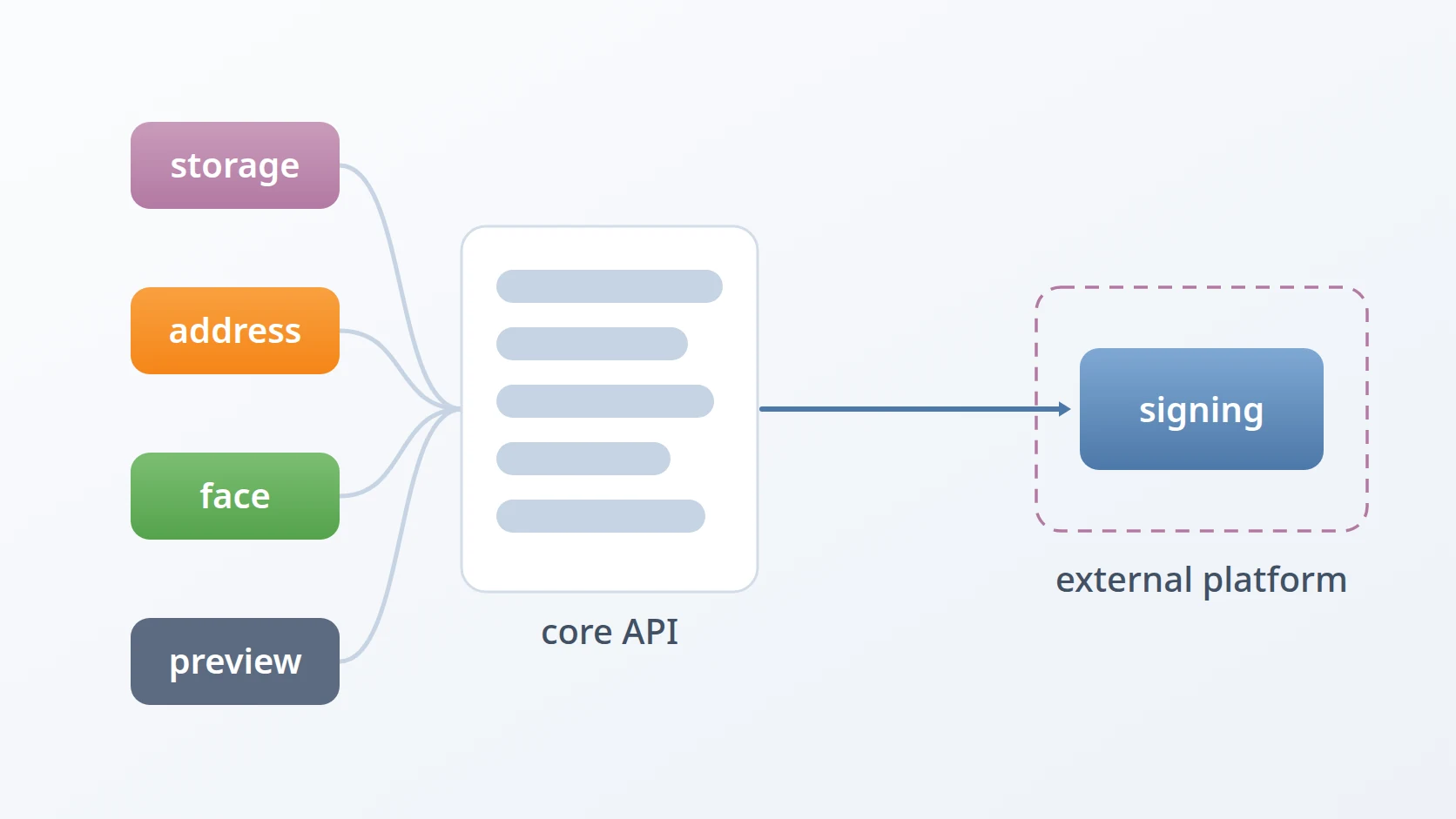
The core API at the centre, fed by storage, address, face and preview services, with documents sent across a boundary to an external signing platform

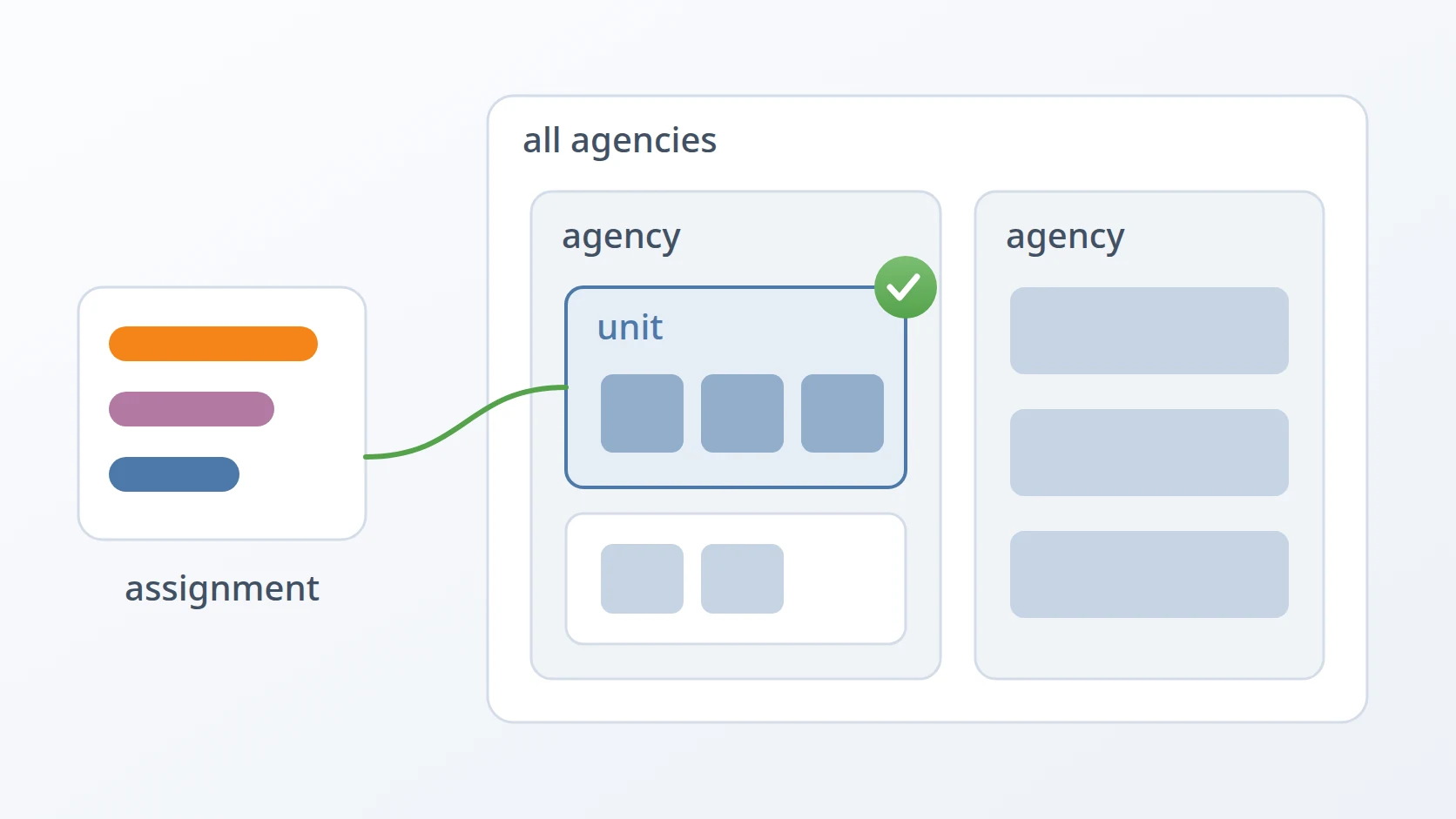
The Laravel core of a civil-service personnel system: employee records and career histories, self-service proposals with review, salary-step, promotion and retirement decisions, rules taken from regulations, a versioned organisation chart, and access scoped down to a single unit.

11 min read Read more →
Ethernet Case Cover

Ethernet Case Cover

Electronics & Microcontrollers

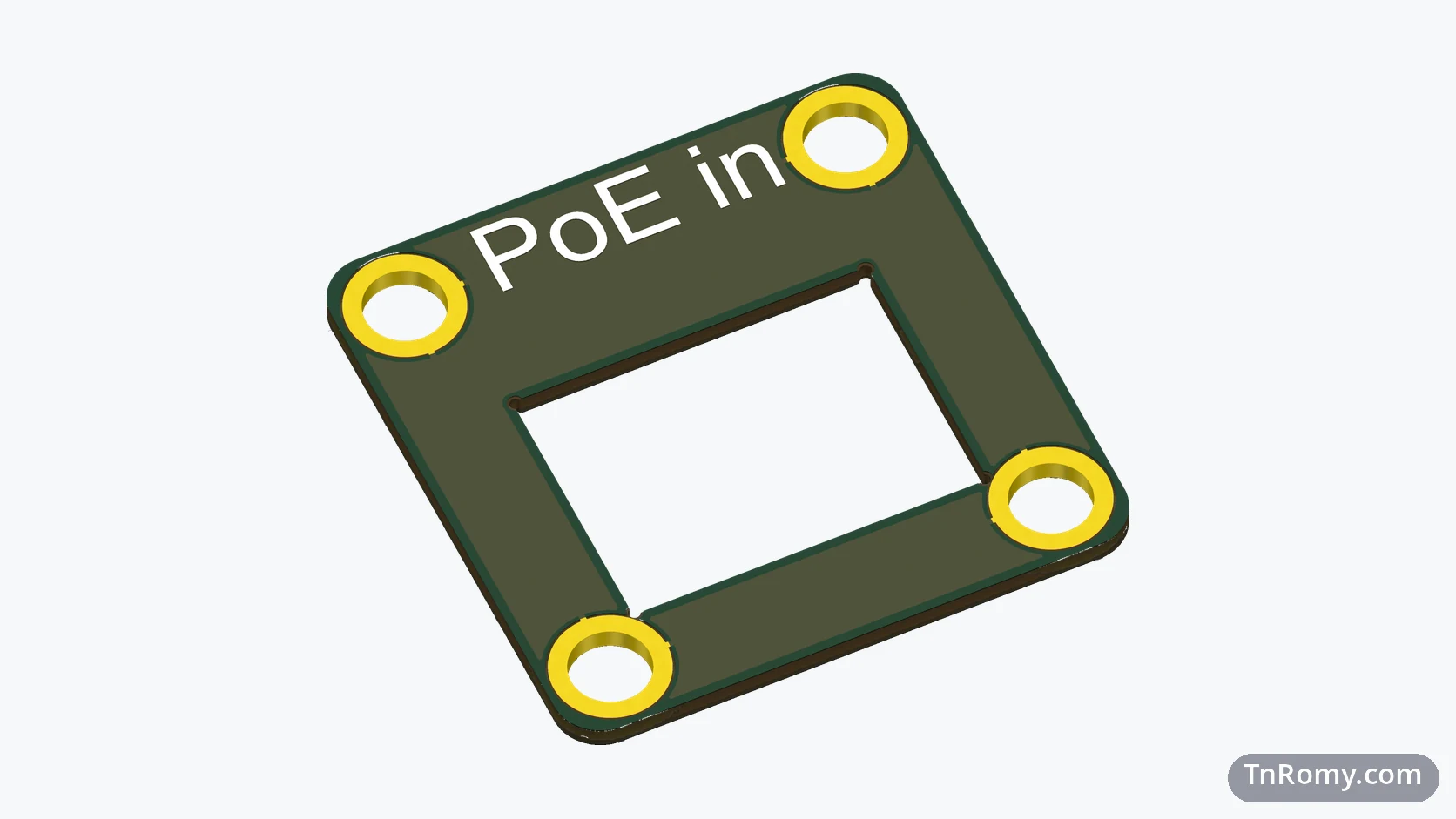
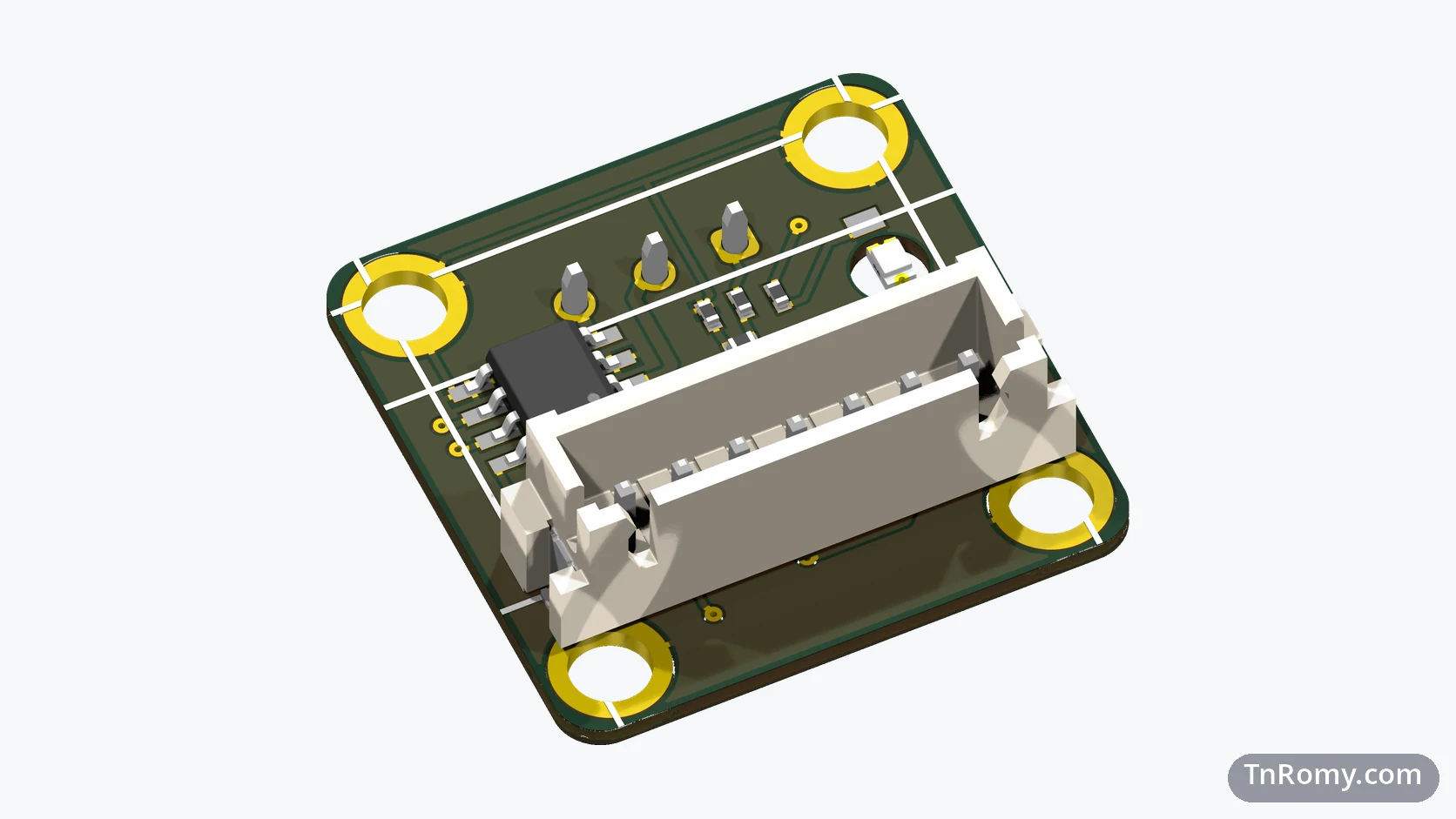
The front end cap of the PoE32 enclosure: a bare PCB with no traces and no components, whose only job is to close the aluminium profile and put the RJ45 exactly where it belongs, cut precisely by the board house.

4 min read Read more →
SDFA Module

SDFA Module

Electronics & Microcontrollers

The rear cover of the PoE32 enclosure that also turns PoE32 into a fire alarm node: it powers and resets a detector line from 24 V and reads normal, alarm, and a broken line from a single analog input.

8 min read Read more →

Research

All papers →
  1. Does System One Transfer? Calibrated Typed-Decision Models, Label Budgets, and Translation for Indonesian Regional Languages

    Romi Fadli, Rusdah, Wahyu Ramadani Putri Utami, Zulfa Malika Amana

    Preprint on arXivUnder peer review 2026

    Calibrated typed-decision ("System One") models return a label and a probability in a single forward pass at a small fraction of the cost of large language models (LLMs), yet their evaluation has been almost entirely English. We report a pre-registered evaluation of the commercial Jev model and the open Laya-multilingual model on Indonesian regional languages, using the parallel NusaX sentiment (12 languages) and NusaTranslation sentiment and emotion (7 languages) test sets. Jev is more often correct on sentences that are lexically closer to Indonesian in all three datasets, and presenting the human Indonesian translation instead raises its accuracy by up to 37.2 points, most in languages distant from Indonesian. Its expected calibration error does not grow on regional languages, but its ability to rank its own errors degrades in all three datasets. Retrained classifiers need more than 500 labels per language to match zero-shot Jev in 9 of 10 NusaX regional languages. A confidence-gated cascade that sends Jev's 10-30% least confident decisions to a local IndoBERT classifier matches or exceeds the better of the two systems, and routing to an LLM instead matches that LLM at 24-77% lower API cost. Of six further commercial LLMs (three Claude and three GPT models), five are 4-14 points more accurate than Jev, at several hundred times the API cost where it is reported, while the smallest (Claude Haiku) is less accurate. We release the pre-registration, code and all predictions.

  2. Where the SRAM Goes: Per-Symbol Attribution of Static Memory in FreeRTOS-C and Embassy-Rust IoT Firmware on a 64 KB RISC-V Microcontroller

    Romi Fadli, Jan Everhard Riwurohi, Wahyu Ramadani Putri Utami, Zulfa Malika Amana

    Preprint on arXivUnder peer review 2026

    Selecting a firmware stack for a memory-constrained microcontroller is usually guided by aggregate binary sizes, which report how much SRAM a build consumes but not where it goes or why. We address that gap with a per-symbol attribution method that decomposes static RAM into architectural categories — scheduler heap, network buffers and pools, task stacks, and linker-reserved regions — by bounding sized ELF symbols to the .data, .bss and .stack section ranges. The method is validated by reconciling every category sum exactly against the size-based totals for all sixteen builds. We apply it to eight cumulative firmware milestones, from a bare task scaffold to a full MQTT-over-Ethernet client, implemented twice — in FreeRTOS-C and in Embassy-Rust — on the CH32V203RBT6, a RISC-V microcontroller with 64 KB SRAM and an on-chip Ethernet MAC and PHY, with functional parity verified on hardware at every milestone. The decomposition shows that both stacks spend a nearly identical share of their RAM on networking (63.8% versus 63.9%), yet the absolute cost differs by 4.4 times: 40,719 bytes for lwIP against 9,316 bytes for smoltcp. FreeRTOS task stacks grow linearly at roughly 1 KB per task while Embassy async state grows with state-machine complexity. We also report that lwIP could not be integrated under an all-static discipline on this platform, requiring a 20 KB arena that smoltcp does not. The measurement harness, the attribution tool, and the sixteen firmware implementations are released as artefacts.

Latest Writing

All articles →
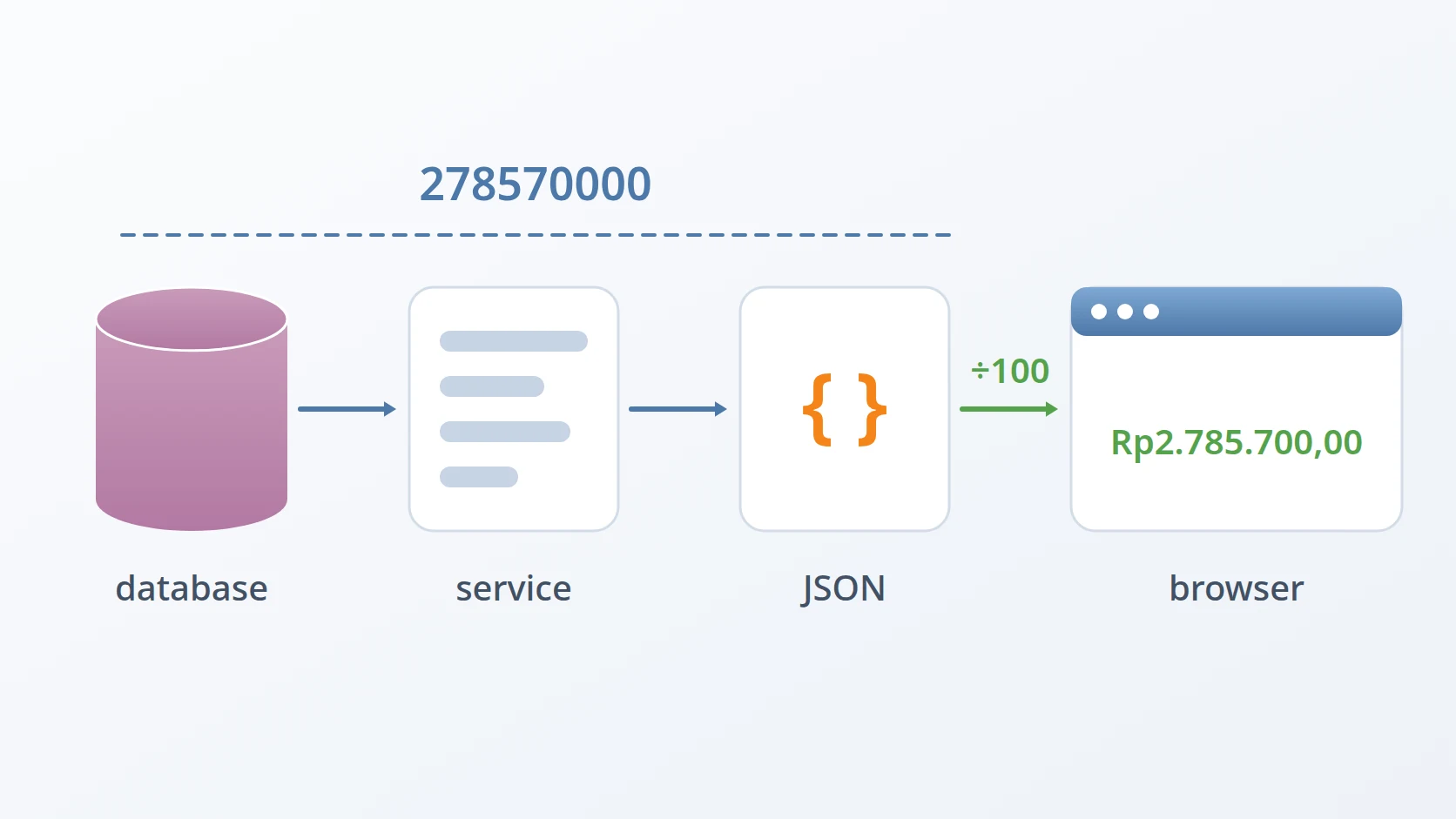
One integer amount, 278570000, passes unchanged from database to service to JSON; only the browser divides by 100 to show Rp2.785.700,00

Money crosses every layer of my systems: database, services, JSON, browser and printed documents. I keep one convention everywhere — amounts are integers in the currency's minor unit, as ISO 8583 carries them, named with a suffix, rounded in one place and converted only at the edges.

19 min read Read more →

About Me

In my day job I work as a solution architect. I design the system, lead the team that builds it — quality assurance, backend developers, a UI developer, DevOps and DevSecOps — and write the most critical modules myself, such as a certificate authority, a long-term PDF signer, and the core API of a personnel system.

I work across the whole stack that a running system actually needs. On the hardware side that means PCB design, microcontrollers, and embedded firmware — including RISC-V boards running FreeRTOS and Embassy, speaking MQTT over mutually authenticated TLS on a microcontroller with 64 KB of SRAM.

Most of my day-to-day work is software: Rust backends and API modules built on Clean Architecture, an OAuth2/OpenID Connect authorization server written from scratch, PAdES document signing, and certificate authorities — root CAs, timestamping authorities, and OCSP responders. I also build the frontends that sit on top of them.

Running all of that means infrastructure: Docker Compose stacks, networking, Mikrotik and RADIUS, observability with OpenTelemetry, and a steady habit of writing command-line tools and utilities for Linux when the existing ones do not fit.
Contact