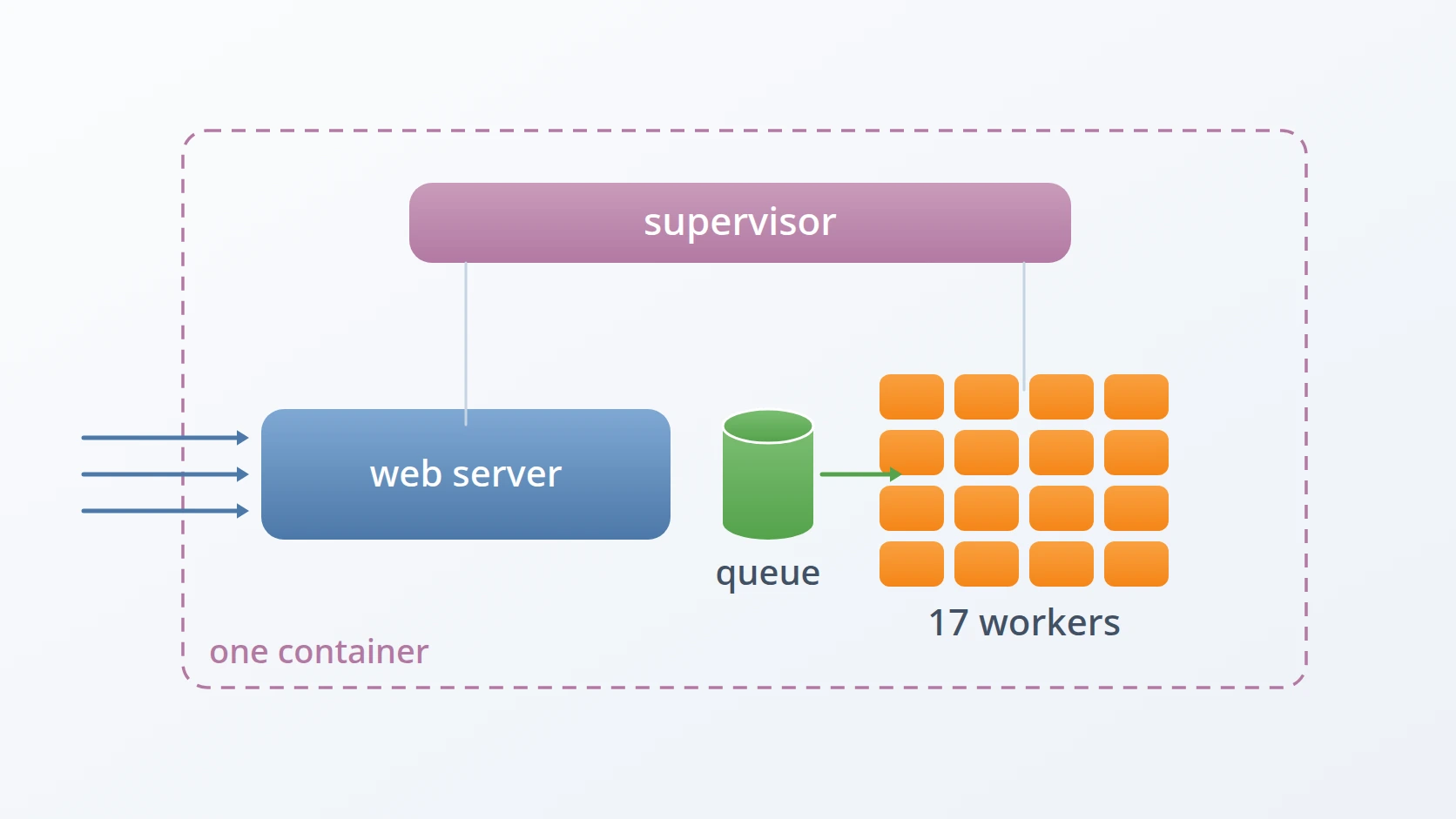
This Laravel app answers HTTP and runs long-lived queue workers, yet a container is meant for one program. A process manager, FrankenPHP worker mode and a cache-ordered build put both in one image, instead of building the same code twice.
Articles in this category. Show all categories
This Laravel app answers HTTP and runs long-lived queue workers, yet a container is meant for one program. A process manager, FrankenPHP worker mode and a cache-ordered build put both in one image, instead of building the same code twice.
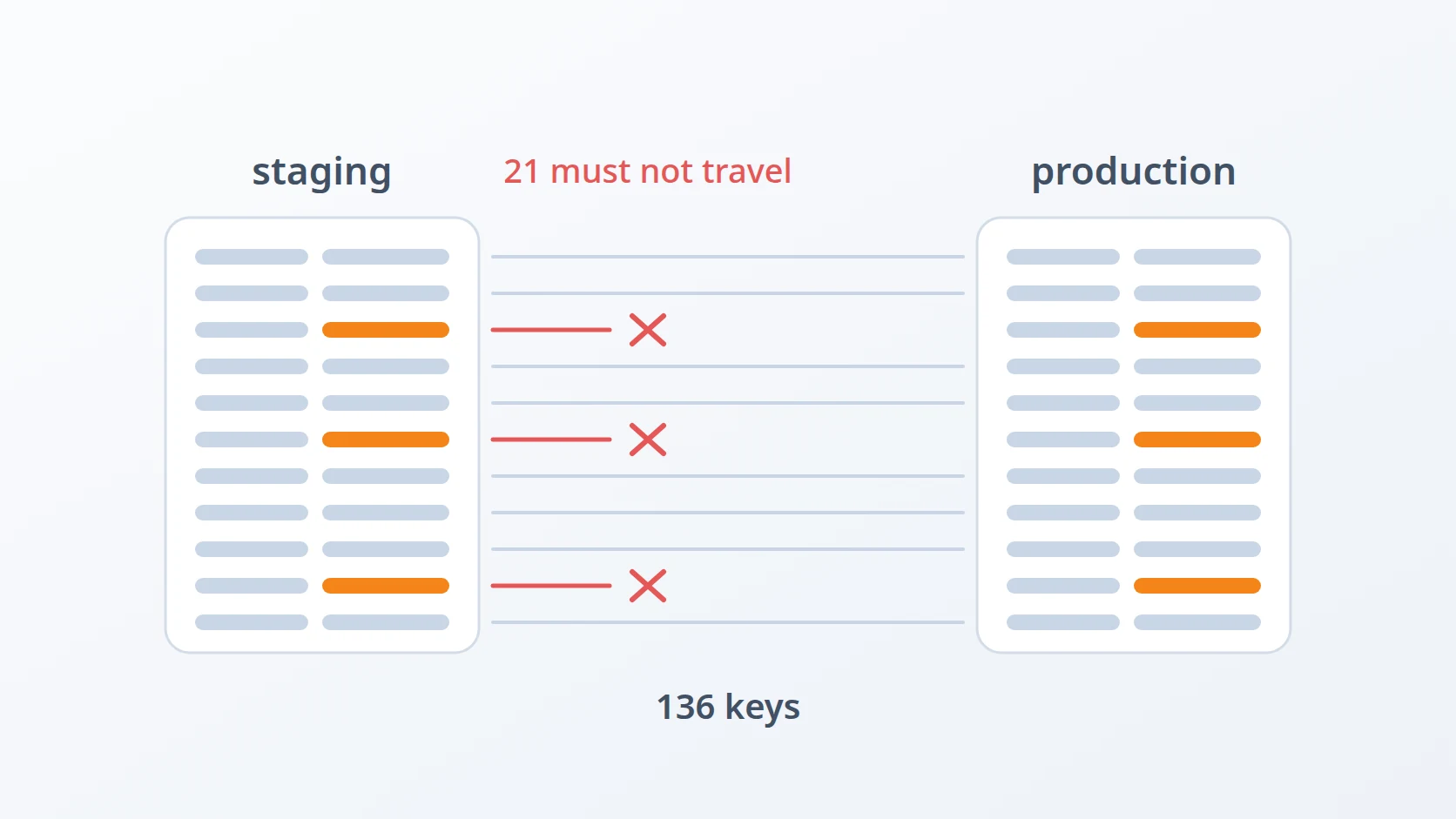
Staging and production shared 136 keys, but 21 had to stay different, including the one that decrypts years of data. Promoting a release's structure, not a file's contents, keeps that key in place and stops a schema migration from silently never running.
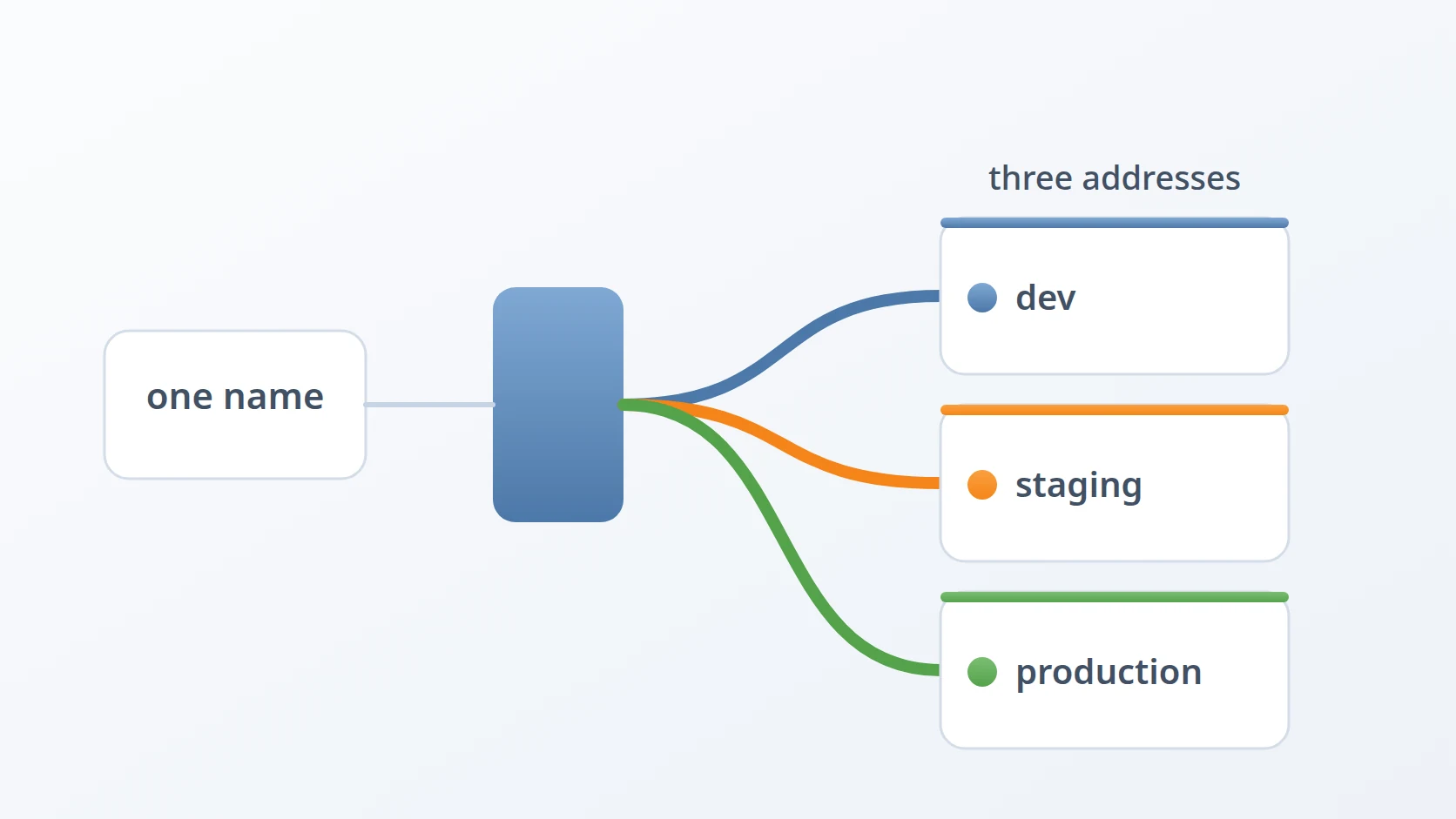
Three environments sharing one fixed domain name, separated at the socket rather than by name, with a banner on every environment except production — and live proxy config rendered from a template, never linked into a repository where a branch switch could rewrite it.
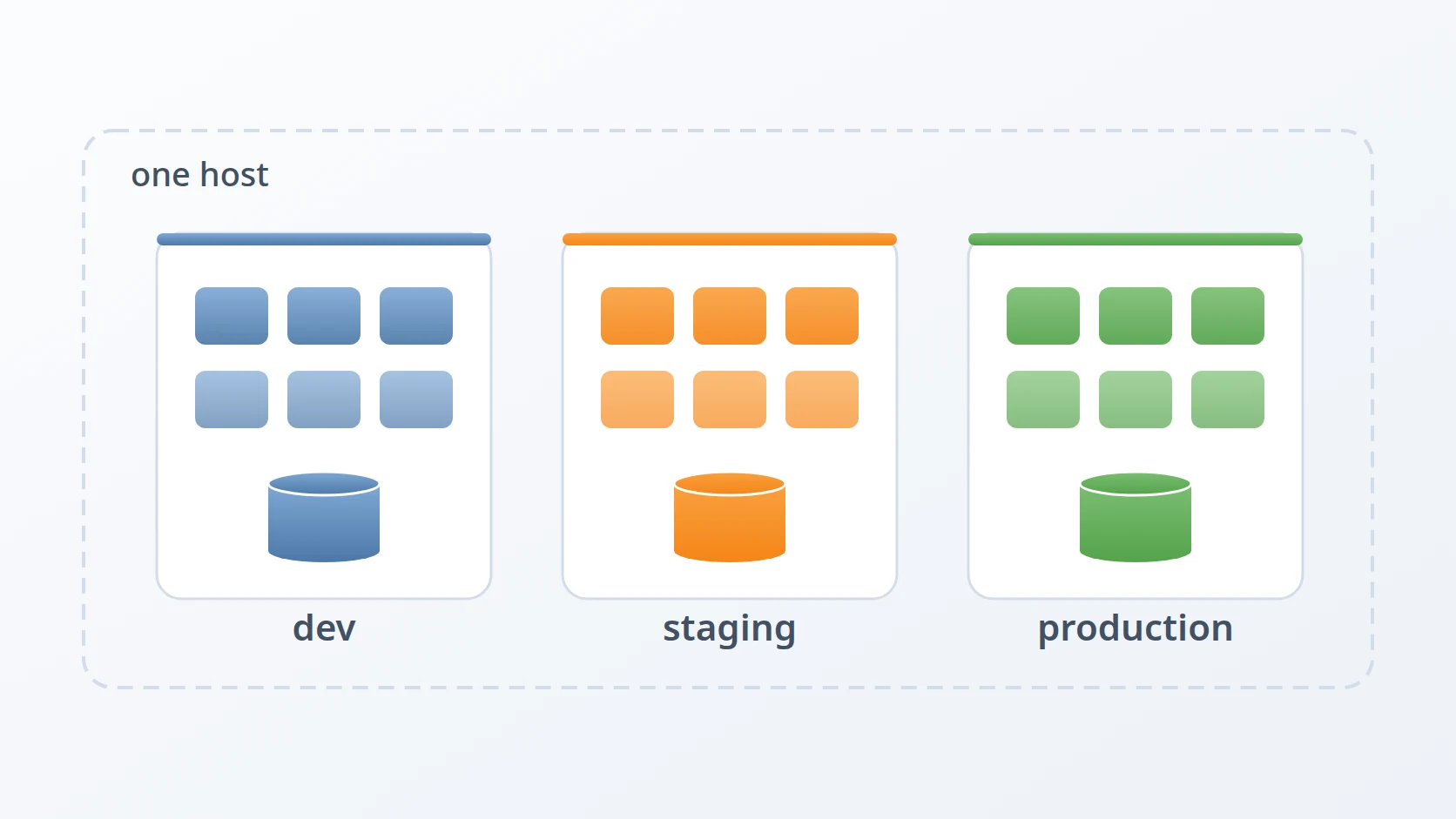
Point one environment's volumes at another's data and the restore succeeds, every health check passes, and the database is empty. Separating networks, state and runtime identity is what keeps three environments on one host from quietly erasing each other.
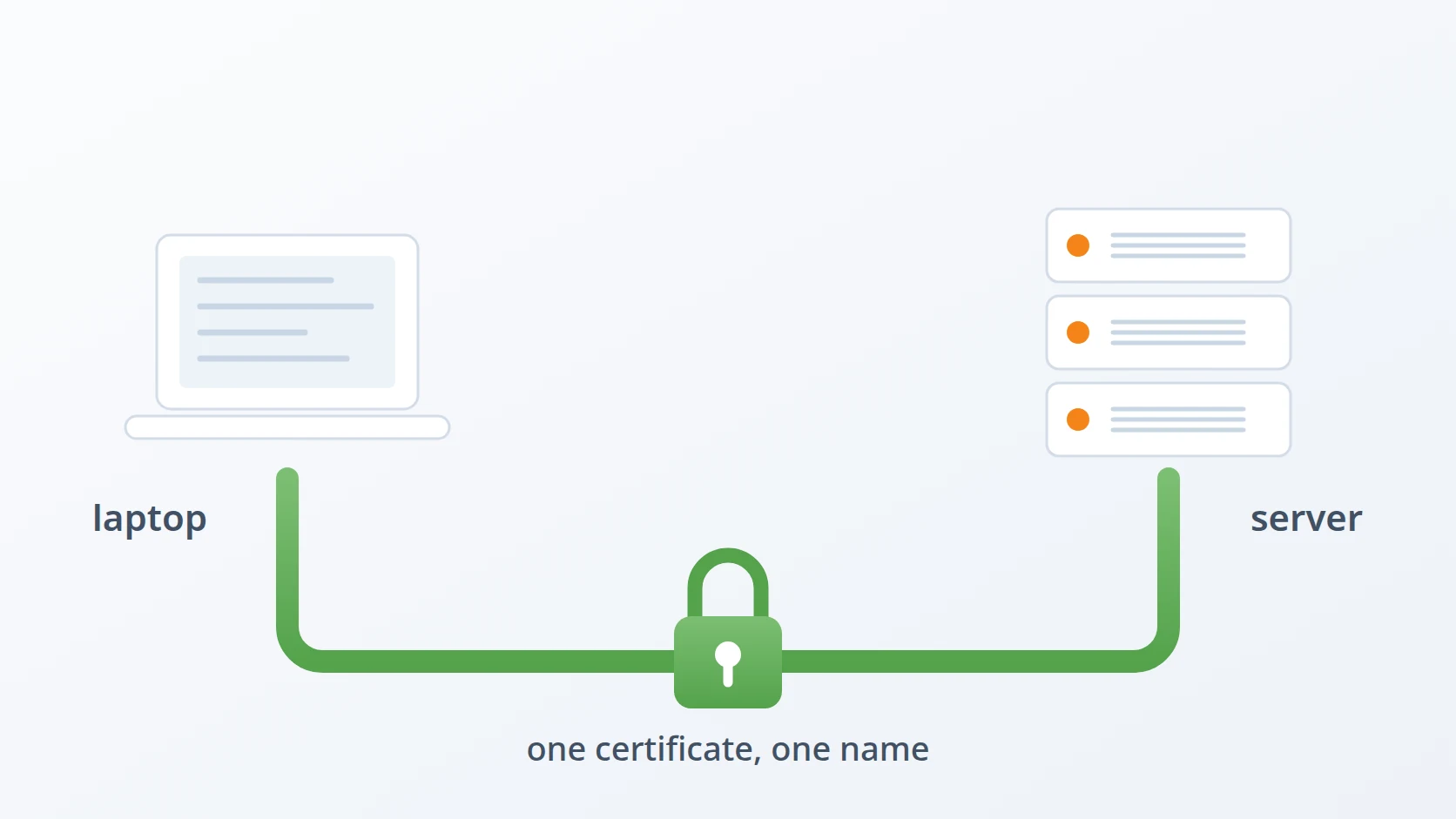
Self-signed certificates cost work in every container, and no HTTPS hides bugs in cookies, redirects and OAuth2. I point the real domain at loopback and install the real certificate at the same path, so my laptop runs the same nginx config as production.
Get an email when a new article is published.