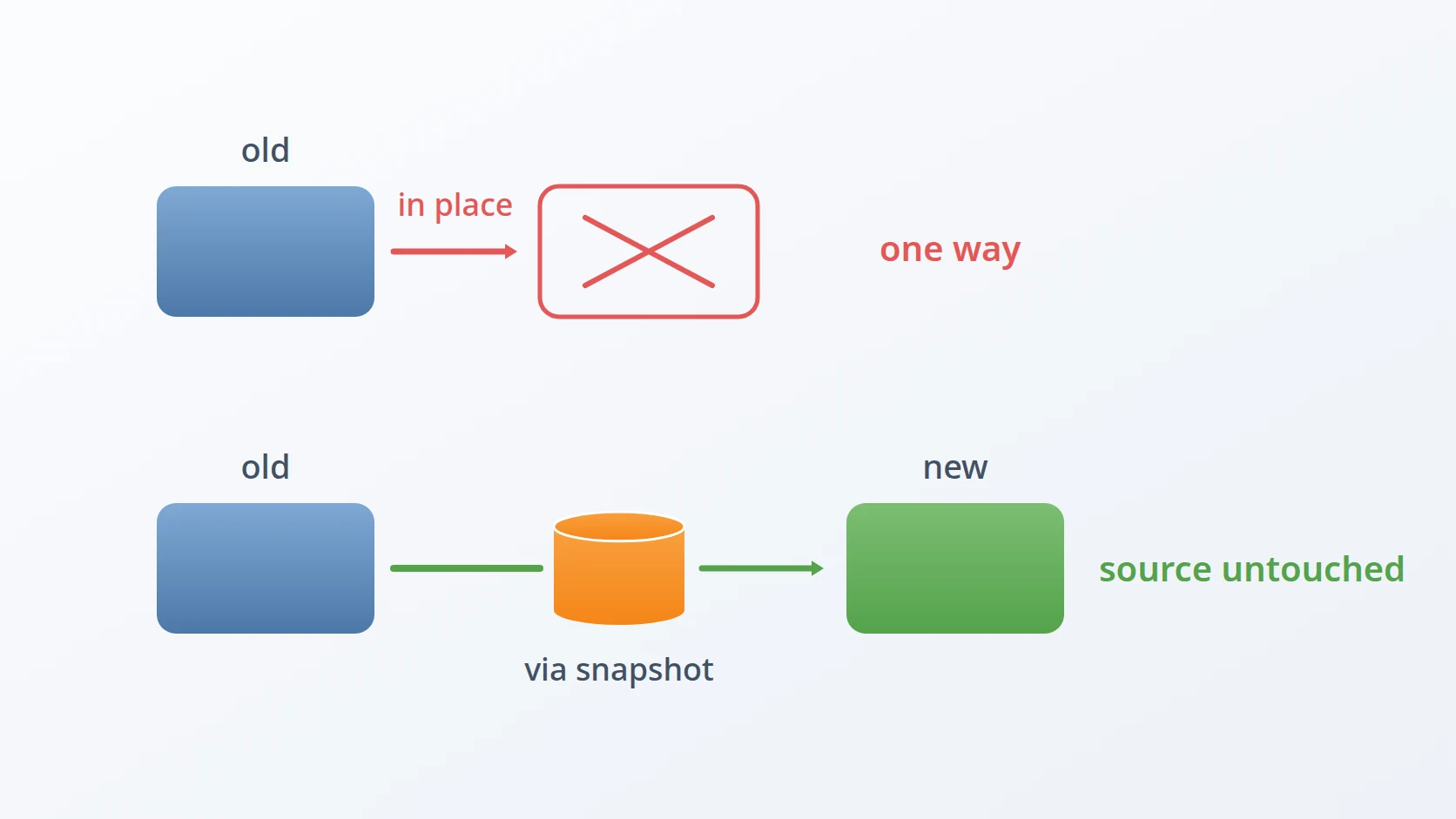
Its software reached the end of support, and its records must outlive it. One component rewrote data as it read it, so the migration copies rather than converts — an operation with no rollback has to be survivable, not merely careful.
Technical notes, projects, modules, tools, workflows, and architecture on electronics, software engineering, and DevOps.
Its software reached the end of support, and its records must outlive it. One component rewrote data as it read it, so the migration copies rather than converts — an operation with no rollback has to be survivable, not merely careful.
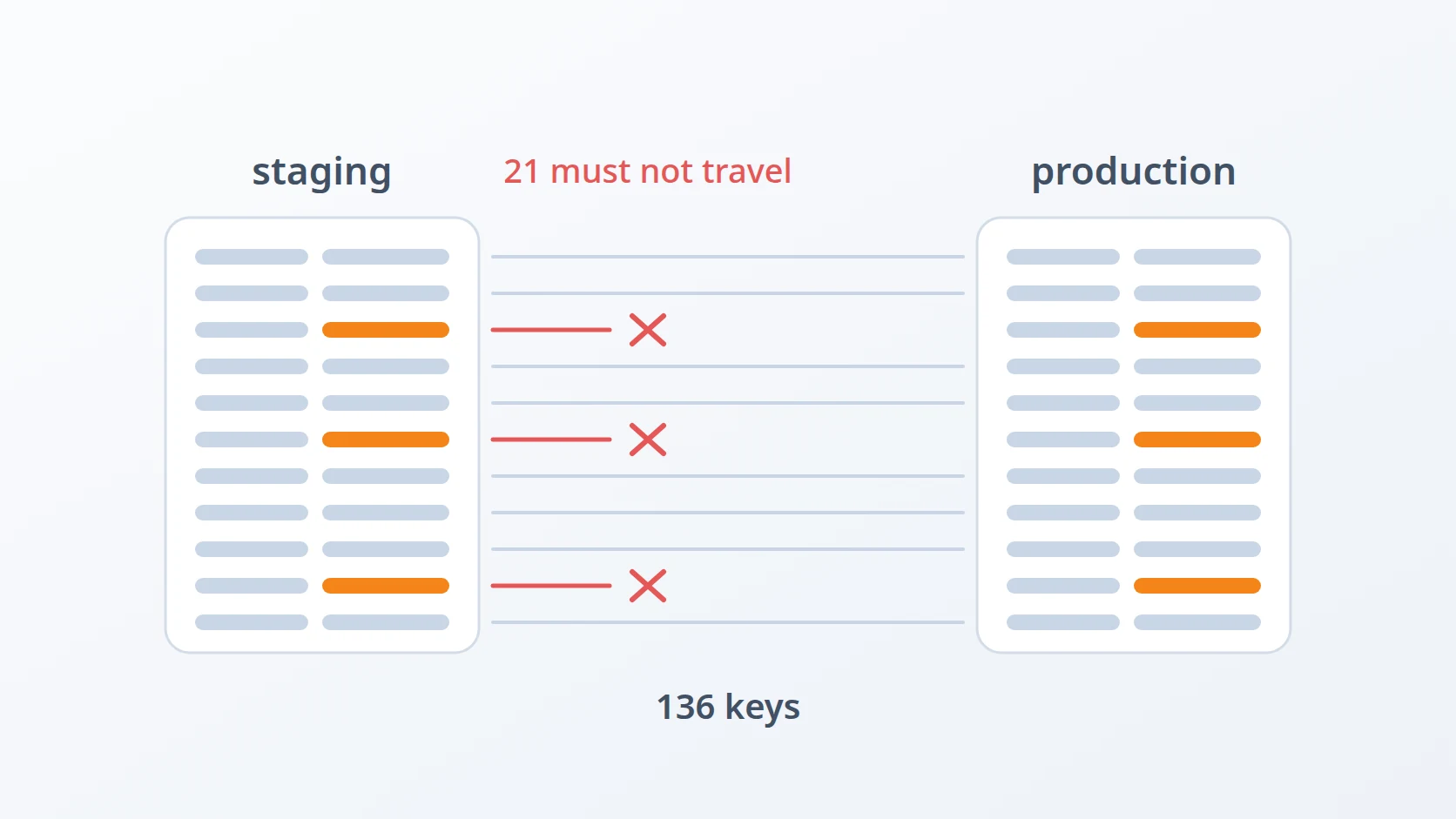
Staging and production shared 136 keys, but 21 had to stay different, including the one that decrypts years of data. Promoting a release's structure, not a file's contents, keeps that key in place and stops a schema migration from silently never running.
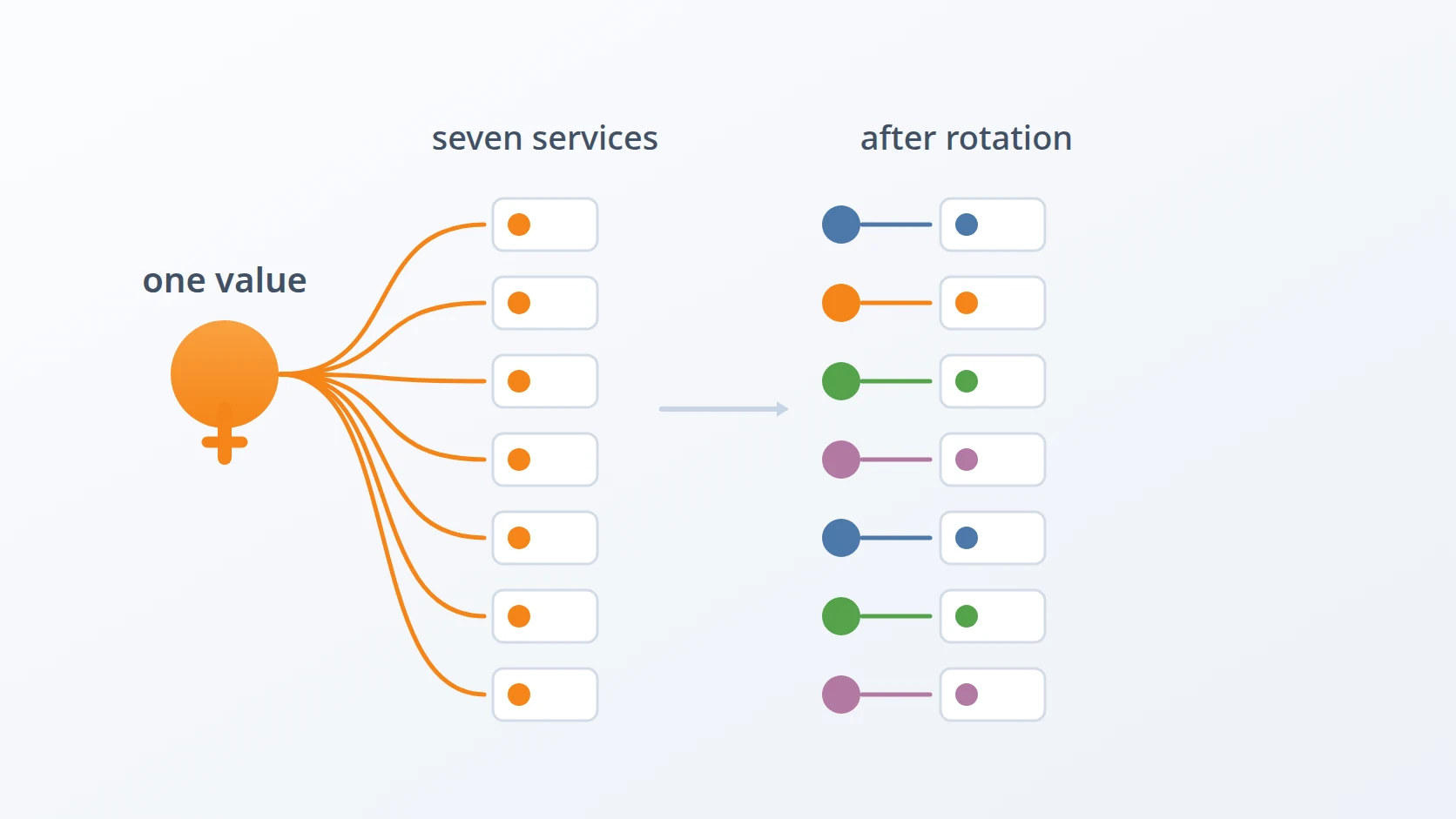
One rotation reaches seven services, and a value elsewhere can look exactly like one of their credentials, so search-and-replace could break an integration nobody watches. Working from an explicit list keeps the rotation inside its blast radius and away from the keys that only decrypt.
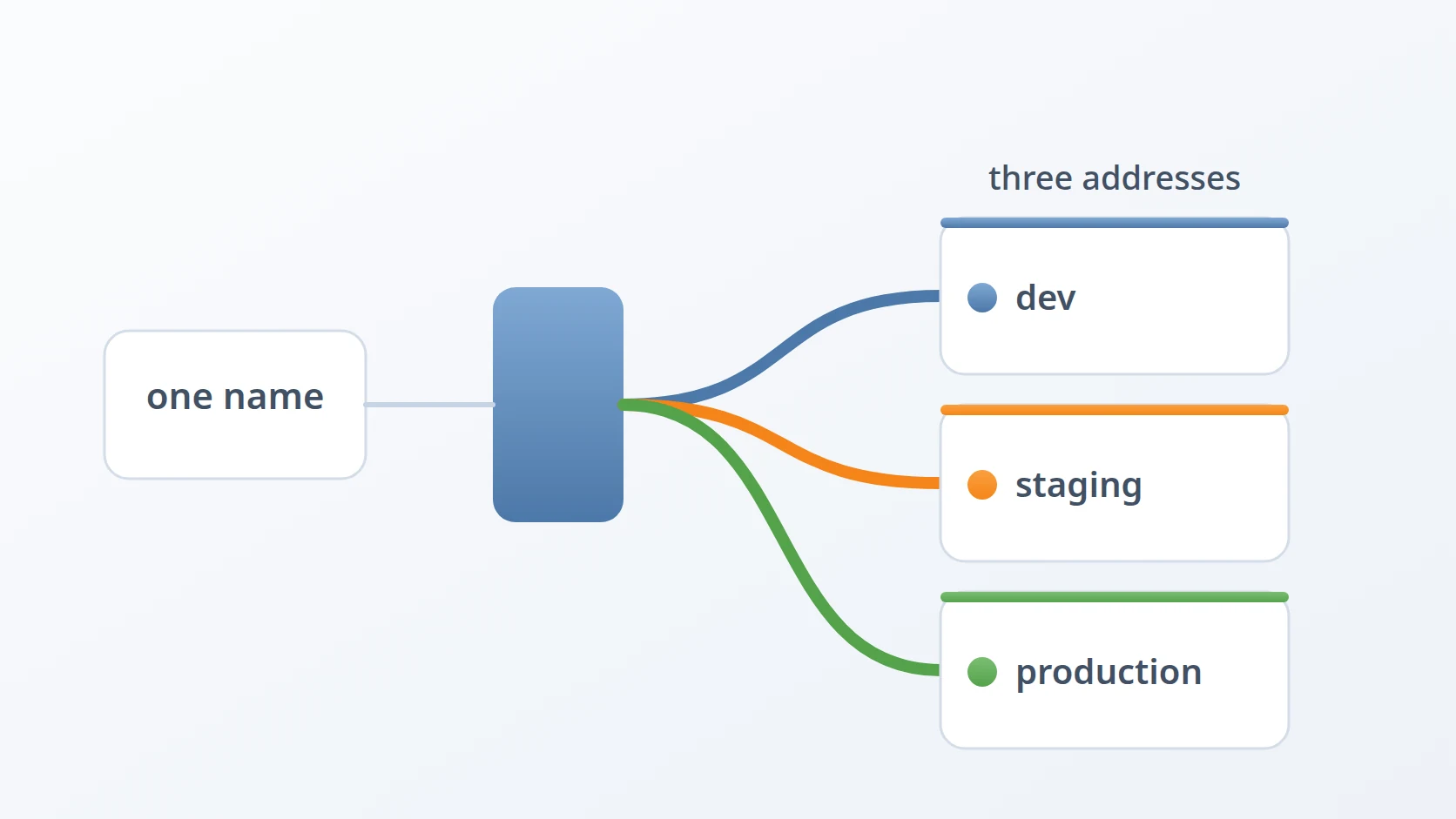
Three environments sharing one fixed domain name, separated at the socket rather than by name, with a banner on every environment except production — and live proxy config rendered from a template, never linked into a repository where a branch switch could rewrite it.
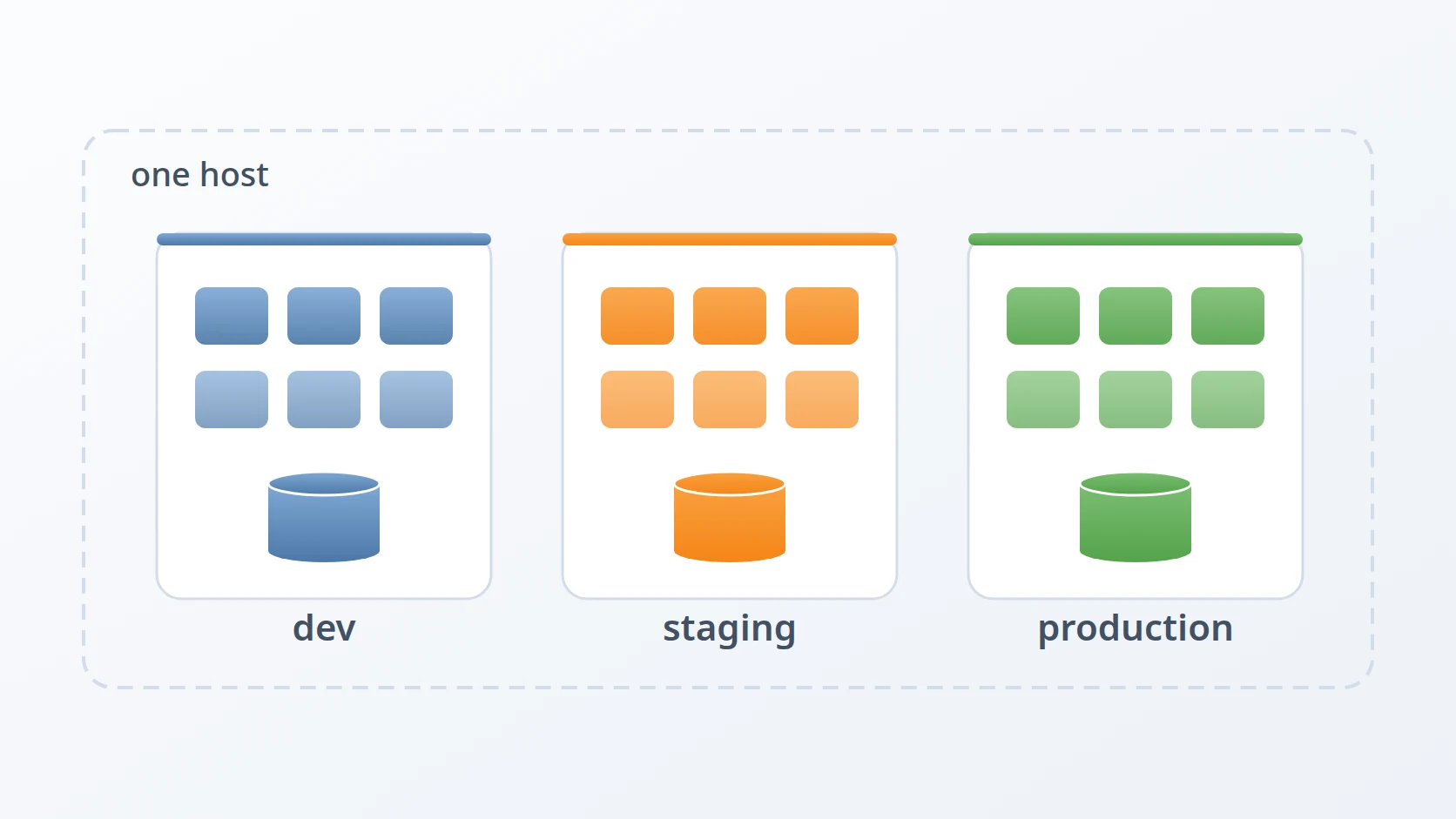
Point one environment's volumes at another's data and the restore succeeds, every health check passes, and the database is empty. Separating networks, state and runtime identity is what keeps three environments on one host from quietly erasing each other.
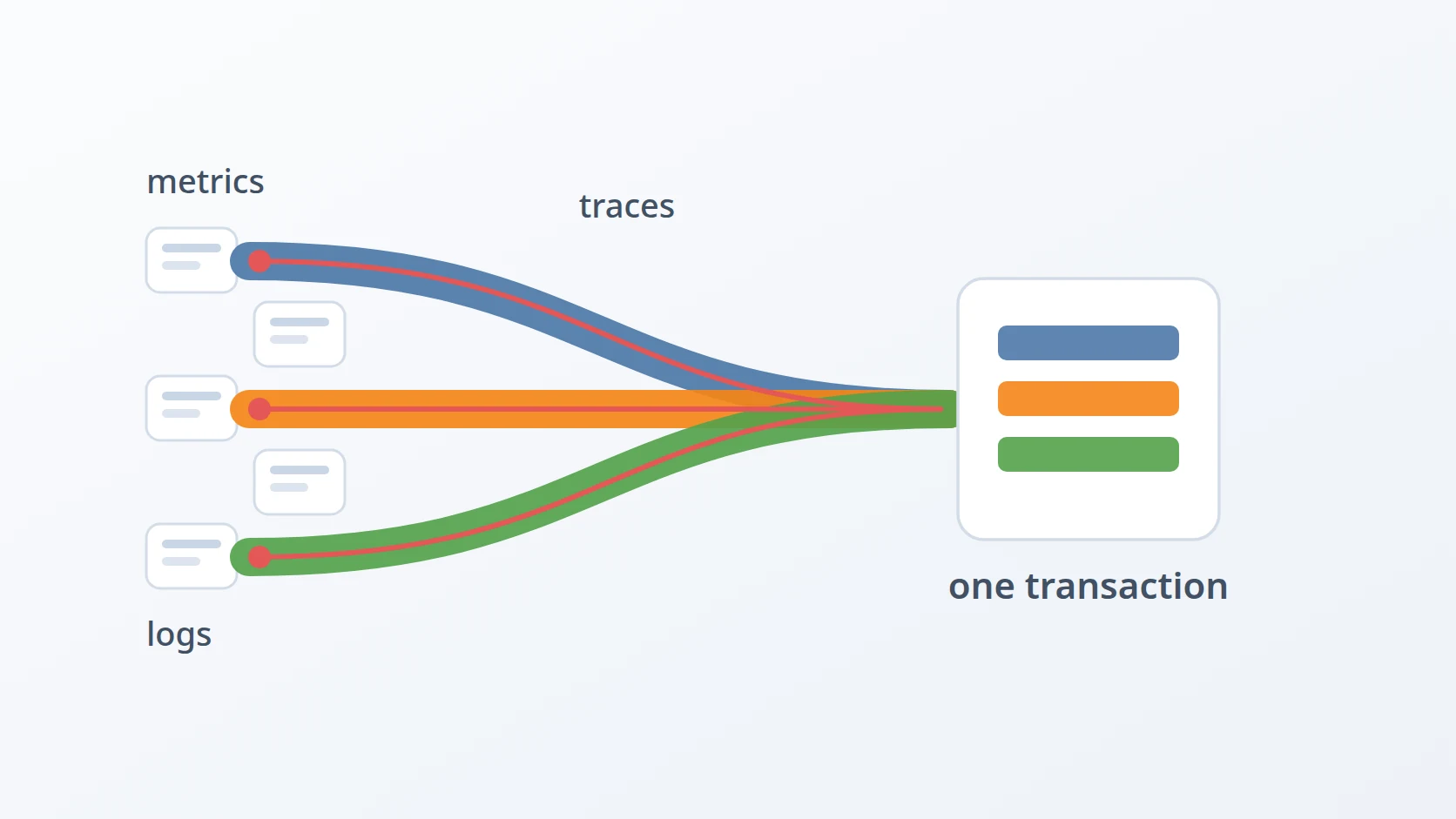
Logs, traces and metrics from a dozen containers pushed over OTLP into one deliberately dumb collector, then read in Kibana — with a disk queue so a restart loses nothing, audit events counted exactly once, and the rule that telemetry must never become a failure point.
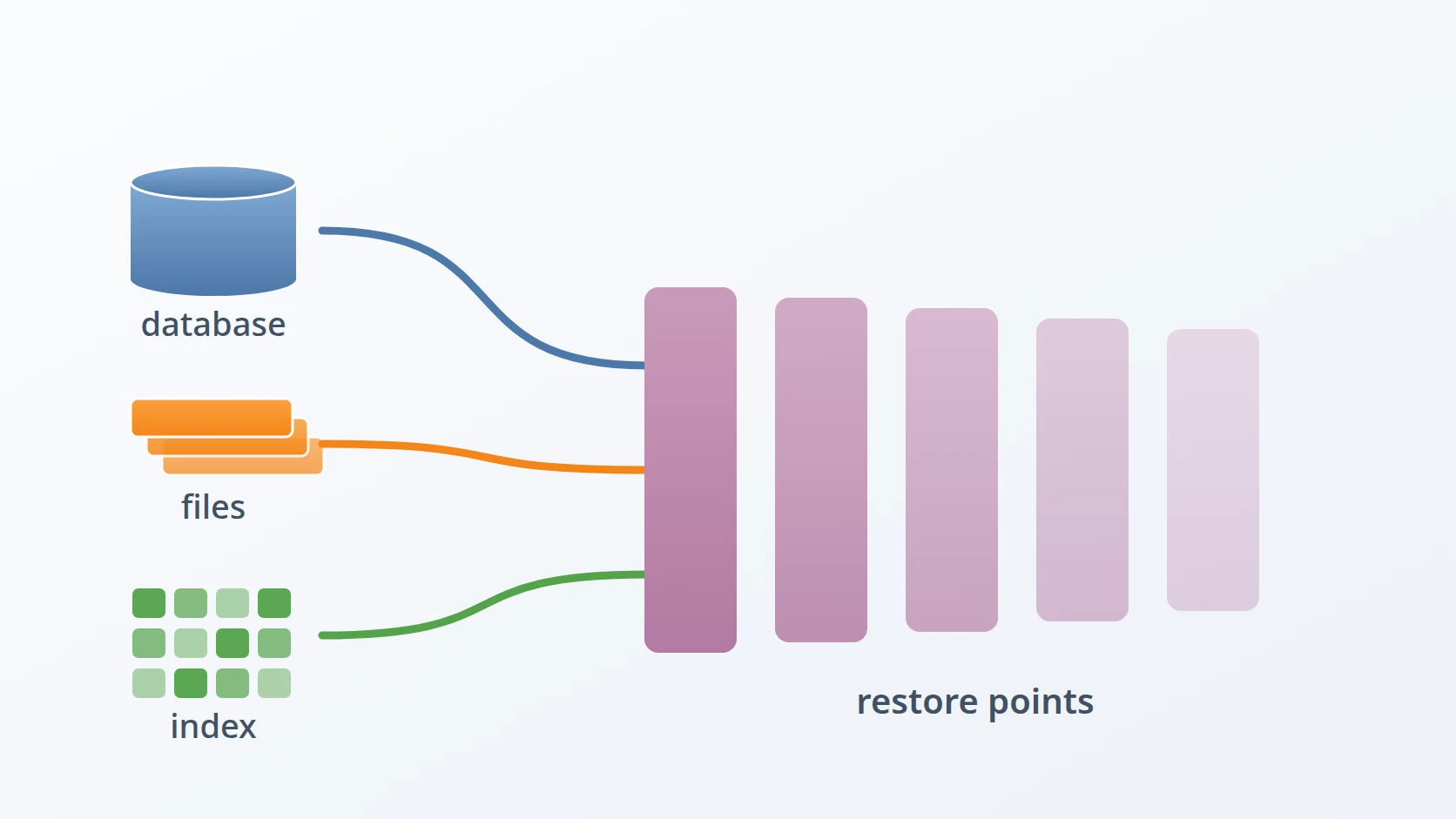
A Business Continuity Plan stated as two numbers — an RPO of six hours and an RTO of seconds for the data — and the few small scripts behind them: full and incremental backups, one technique per data store, restore as the only test that counts, and config treated as data.
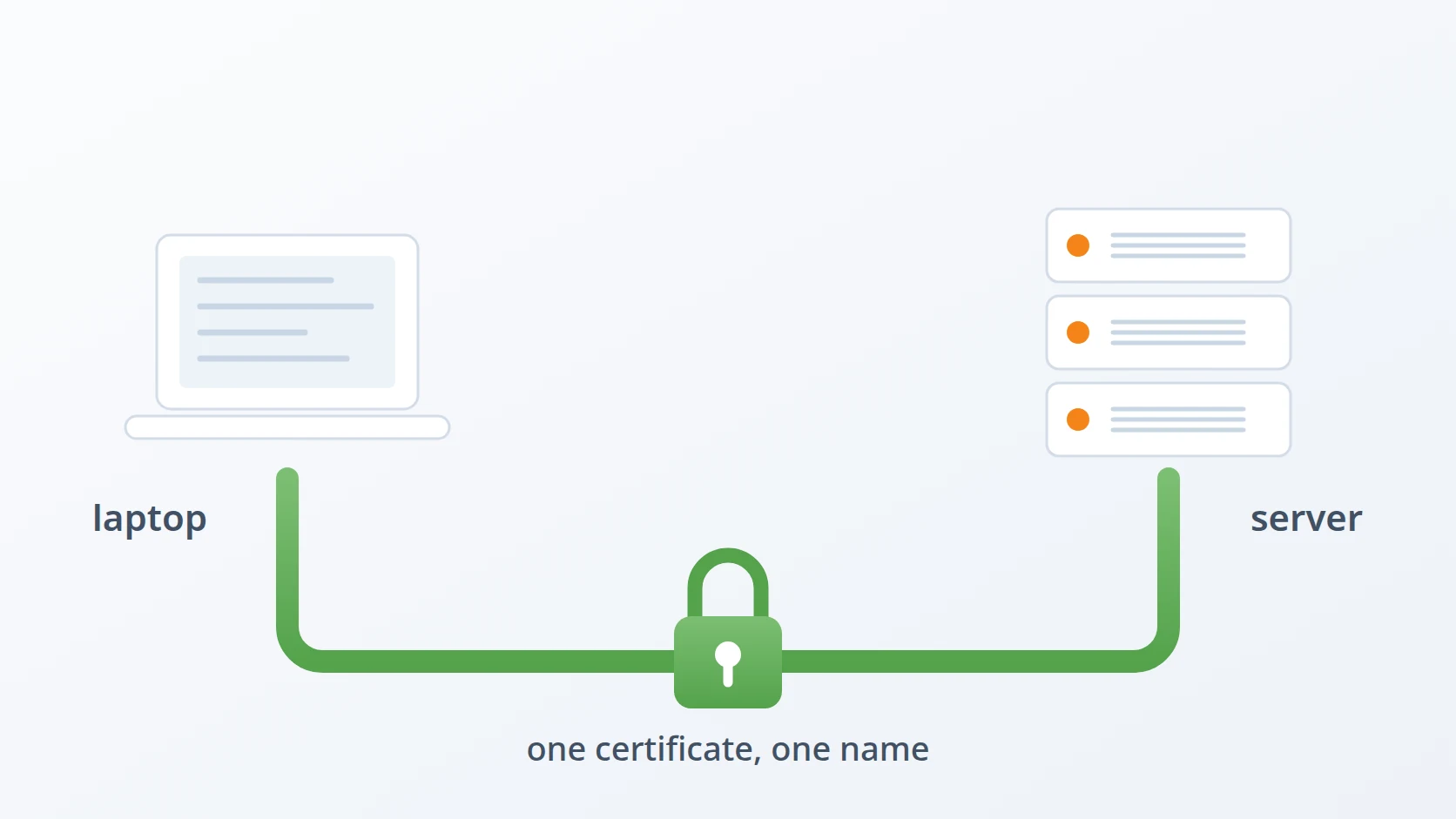
Self-signed certificates cost work in every container, and no HTTPS hides bugs in cookies, redirects and OAuth2. I point the real domain at loopback and install the real certificate at the same path, so my laptop runs the same nginx config as production.
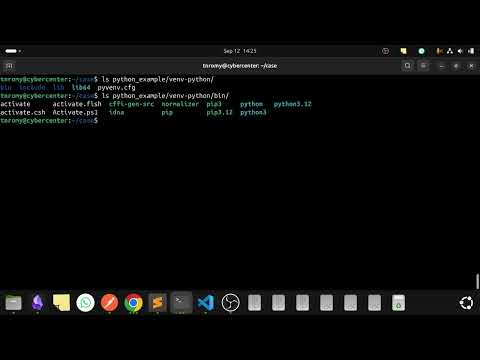
Build output, not my own code, was filling the disk: five projects shrank from 21 GB to 749 MB once the rebuildable folders were gone. I automated that cleanup instead of buying a bigger SSD, without trusting folder names or confirming hundreds of folders by hand.
Get an email when a new article is published.